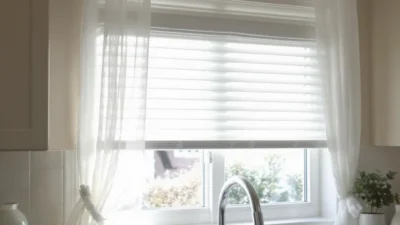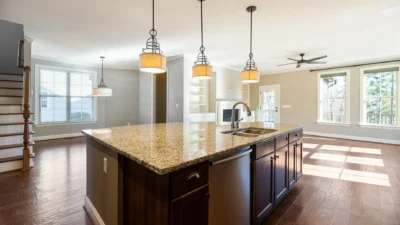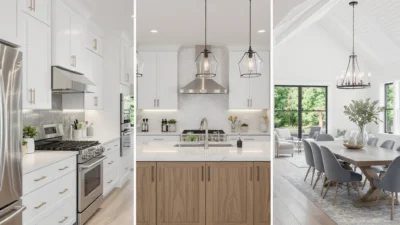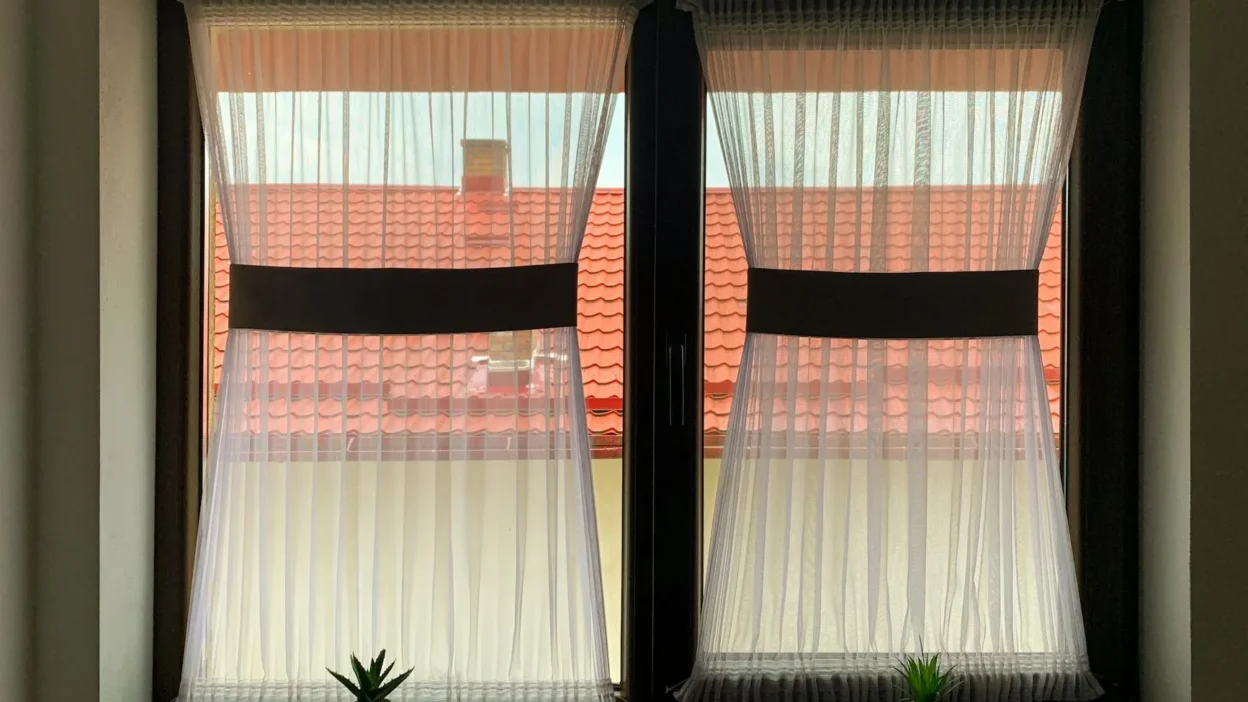
Think of your kitchen window as a picture frame. Its job is to either highlight a beautiful view beyond the glass or become a beautiful focal point in its own right. Yet, in the quest for a functional kitchen, this frame often gets neglected, leaving us with a space that feels more sterile than serene. The core tension is real: we crave that softer, cozier atmosphere, but we also need practicality, light, and easy cleanup. This kitchen window treatment decor guide is designed to resolve that tension. We’re presenting two clear paths forward—one for a swift, impactful refresh and another for a more considered redesign—so you can choose the adventure that matches your ambition, timeline, and budget to finally soften your kitchen decor.
To soften your kitchen decor, start by selecting a light-filtering window treatment like linen Roman shades or sheer curtains to diffuse harsh light. Then, layer in warmth with a wooden valance, trailing plants on the sill, and tactile textiles like a runner or woven baskets to create an inviting, cohesive look. Whether you opt for a simple weekend update or a more integrated kitchen window makeover, balancing light control with texture is the key to transforming a hardworking space into a welcoming heart of the home.
The Two Paths: Quick Refresh vs. Full Redesign
Every successful kitchen window decor refresh starts with a simple choice: how deep do you want to go? Your kitchen window can be a quick weekend project or the centerpiece of a larger design vision. Defining your path upfront saves time, money, and frustration. Let’s break down the two core approaches to softening your kitchen windows.
The Weekend Refresh Path
This is your go-to for a fast, impactful update. Ideal for renters, budget-conscious homeowners, or anyone who wants a new look without major renovation. The focus is on swapping out window treatments and adding soft, layered decor elements. Think of it as applying a fresh coat of paint to your kitchen’s mood—it’s about changing the feel, not the structure. This path answers the call for a straightforward kitchen window makeover.
The Holistic Redesign Path
This approach treats the window as an integral architectural feature. It’s for those planning a kitchen remodel, replacing cabinets, or who are ready to invest in custom, built-in solutions. Here, the treatment is chosen in concert with cabinetry, countertops, and layout. It might involve extending a windowsill into a breakfast nook or installing plantation shutters as a permanent fixture. This is kitchen window styling at its most intentional.
Not sure which path is yours? Ask yourself:
- Are you renting or do you prefer low-commitment changes? → Lean towards the Quick Refresh.
- Is this part of a larger kitchen renovation? → You’re likely on the Holistic Redesign path.
- What’s your budget and timeline? A refresh can cost a few hundred dollars and a weekend. A redesign integrates with larger costs and timelines.
Path One: The Weekend Refresh (Softening in Stages)
Let’s walk through the quick refresh. Imagine your kitchen feels a bit sterile, maybe with stark aluminum blinds or a bare window. The goal is to introduce warmth and texture without a full-blown renovation. You can achieve a remarkable transformation by focusing on three sequential stages.
Stage 1: Swap the Treatment
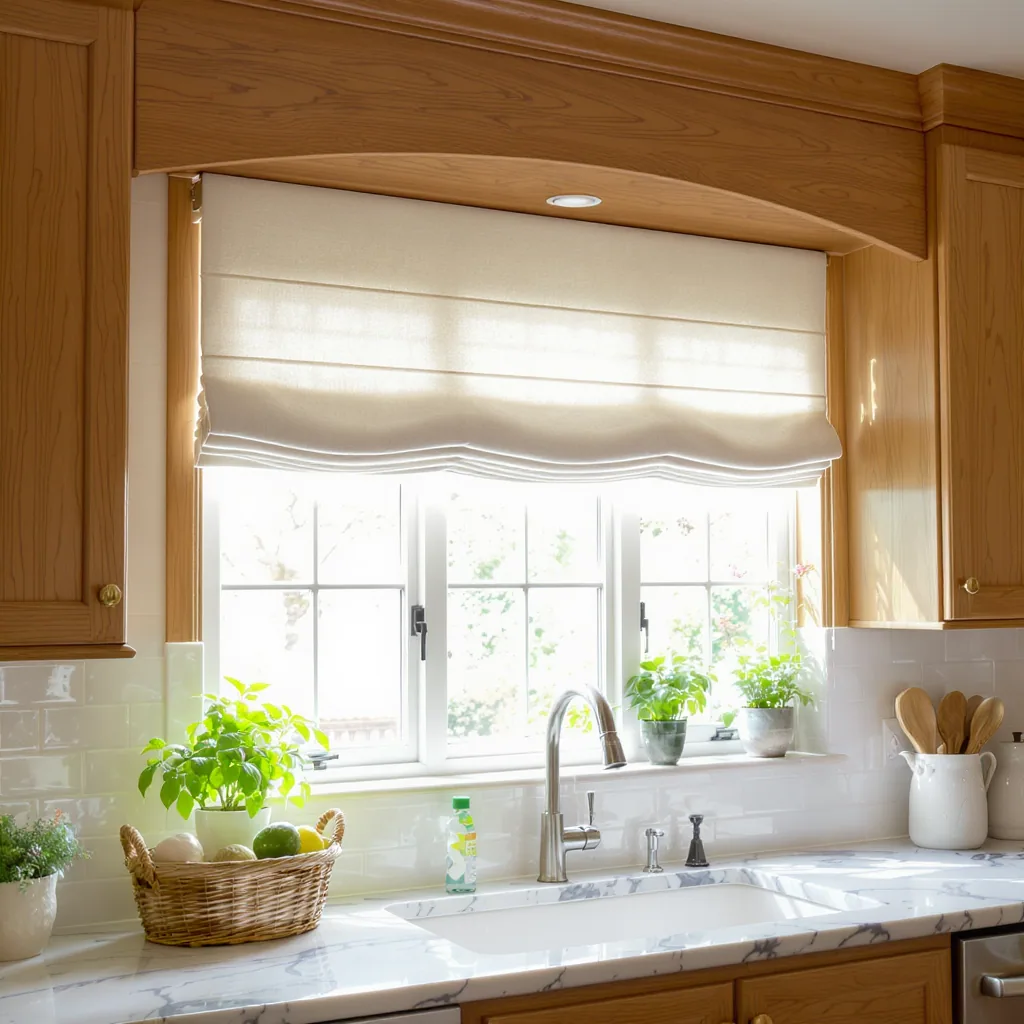
This is your highest-impact move. Replace heavy, light-blocking blinds with something that diffuses light beautifully. Linen or cotton Roman shades are a perfect choice—they fold up neatly, offer a soft texture, and provide gentle light filtering. Alternatively, install a simple tension rod and hang airy sheer curtains. This single change immediately begins to soften kitchen decor by changing how light enters the room.
Stage 2: Add Softening Layers
Now, build around your new treatment. Add a wooden or fabric valance above the window to hide hardware and add a finished look. Place a pot of fresh herbs or a trailing pothos plant on the sill to bring in life. Introduce textiles: a runner on the floor, a cozy towel on the oven handle, or a woven basket on the counter for fruit. These layers add the tactile warmth that makes a kitchen feel inviting.
Stage 3: Adjust the Lighting
Complement your softer daylight with intentional artificial light. Under-cabinet LED tape lights eliminate shadows on countertops, creating a warmer ambiance than a single overhead fixture. If you have a sink window, consider a small, plug-in wall sconce on either side for evening task lighting. This layered lighting approach makes the space feel cozy at all hours.
Your Weekend Refresh Checklist
- Measure your window accurately before buying any treatment.
- Choose a light-filtering fabric (linen, cotton, sheer) over blackout materials.
- Incorporate at least two natural textures (wood, ceramic, woven fiber, greenery).
- Use a color palette from your existing kitchen (e.g., pull a hue from your backsplash or dishes).
- Don’t forget the sides of the window—a small shelf or a piece of art can fill empty wall space.
Path Two: The Holistic Redesign (Window as Focal Point)
When your kitchen window treatment is part of a larger renovation, the possibilities expand dramatically. Here, the window isn’t just dressed; it’s thoughtfully integrated into the room’s architecture and flow. This path requires more planning but results in a deeply cohesive and personalized space.
Start by considering hard treatments that become permanent features. Interior plantation shutters offer superb light control, a clean look, and can increase home value. For a truly built-in feel, you might design a window seat or banquette beneath the window, turning it into a cozy breakfast nook. The treatment itself—whether custom Roman shades or shutters—is selected to coordinate precisely with your new cabinetry finish and hardware.
Architectural details can also amplify the window. Adding craftsman-style molding around the window frame, extending the sill with a slab of stone or wood to create a mini-bar area, or even reconfiguring cabinets to frame the window symmetrically are all moves in this playbook. The principle is to make the window feel intentional and anchored, not like an afterthought.
Function is paramount in this holistic plan. Consider the window’s role: Is it above the sink? You’ll need a treatment that’s easy to operate and resistant to moisture. Does it look onto a neighbor’s house? Privacy will be a key driver. By solving for these practical needs within your overall design vision, you create a kitchen that is both beautiful and perfectly suited to your life. For a deep dive on measurements for custom treatments, resources like This Old House’s guide to measuring are invaluable.
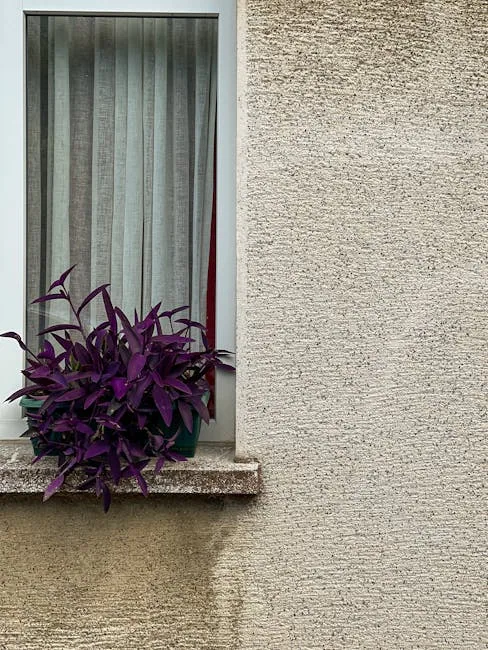
Photo by shahrzadailyy on Pexels
Your Material Menu: From Sheers to Shutters
Choosing the right treatment is the cornerstone of any kitchen window dressing ideas project. Each material offers a different balance of light, privacy, texture, and maintenance. Use this comparison to navigate your options and find the best fit for your path.
| Treatment Type | Best For | Light Control | Privacy Level | Softening Effect | Key Consideration |
|---|---|---|---|---|---|
| Roman Shades | A tailored, polished look; light filtering. | Medium-High (depends on fabric) | Medium-High | High (textured fabric folds) | Choose moisture-resistant fabrics for kitchen humidity. |
| Roller Shades | Sleek, minimalist spaces; easy cleaning. | Variable (solar, blackout, sheer options) | Variable | Low-Medium (simpler texture) | Great for odd-shaped windows; many modern patterns. |
| Sheer Curtains | Maximizing light while adding softness. | Low (diffuses harsh light) | Low (daytime) | Very High (airy, flowing) | Often paired with a valance or second layer for privacy. |
| Cafe Curtains | Privacy at sill level without blocking light above. | Low (top half open) | Medium (covers lower half) | High (charming, casual texture) | Perfect for windows above sinks or facing streets. |
| Wood Blinds | Warmth and precise light adjustment. | High (adjustable slats) | High | Medium (natural wood grain) | Can be heavy; ensure mounting is secure. |
| Plantation Shutters | Permanent, high-value investment; classic look. | Very High (adjustable louvers) | Very High | Medium (clean, architectural lines) | Most expensive option; custom-fit to window. |
| Layered Look | Maximum depth, texture, and flexibility. | Very High (combine sheer + blackout) | Very High | Very High (multiple textures) | Requires more hardware; can feel busy in small kitchens. |
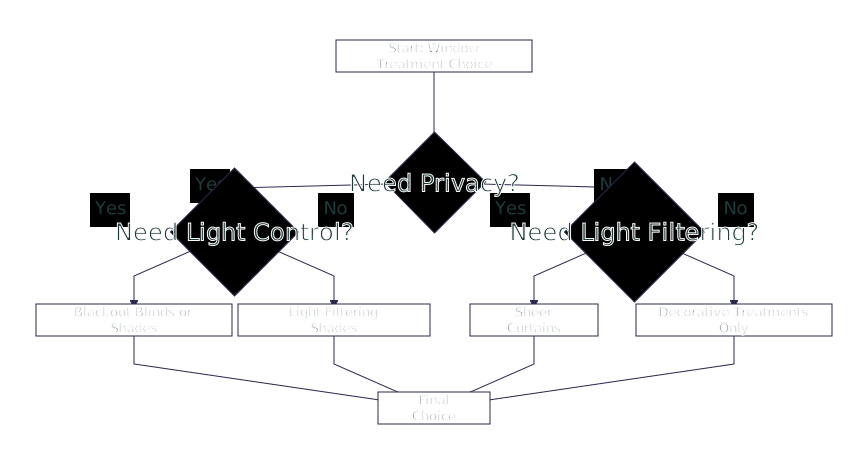
Quick Material Guide
- For Humidity: Faux woods, polymers, and treated fabrics outperform real wood and delicate silks near sinks.
- For Easy Cleaning: Roller shades, shutters, and blinds wipe down easier than fabric curtains.
- For Small Windows: Avoid heavy treatments; use a simple shade or a cafe curtain to keep the space feeling open.
- For a Custom Feel: Add trim tape to plain roller shades or choose shades with a decorative bottom hem.
The Softening Toolkit: Decor That Makes the Difference
The right window treatment sets the stage, but the magic happens with the supporting decor. This toolkit is your secret weapon to soften kitchen decor completely, making the space feel lived-in and loved. These elements work for both the quick refresh and the holistic redesign.
Textiles: The Foundation of Warmth
Fabric is the fastest way to add coziness. Start with a runner in front of the sink or stove—jute or wool adds instant texture. Hang decorative towels from the oven handle or a hook near the window. If you have a breakfast nook, a cushion on the seat introduces a soft, inviting layer. The key is to repeat colors or materials from your window treatment to create a cohesive story.
Greenery: Bring the Outside In
Nothing softens a hardscape like living plants. A windowsill is prime real estate for a row of herb pots (practical and beautiful). For windows without a sill, hanging planters or a tall, slender floor plant like a fiddle leaf fig in the corner can frame the window beautifully. Trailing plants like ivy or philodendron add a soft, cascading element.
Lighting: Create Ambiance
As mentioned, layered lighting is crucial. Beyond under-cabinet lights, consider plug-in pendant lights over an island or a statement chandelier over a table. The style of your light fixtures—whether industrial, farmhouse, or modern—adds another layer of personality that complements your kitchen window accents.
Accessories: The Personal Touch
This is where your style shines. A wooden bowl filled with fruit on the counter, a collection of ceramic canisters, a piece of framed art or a vintage plate on the wall near the window, or stylish storage baskets all contribute texture and life. Keep accessories grouped in odd numbers (threes or fives) for a naturally balanced look.
Remember, softening is about balancing light and texture. Every item you add should serve a purpose, either functional or aesthetic, to avoid clutter. A softened kitchen feels intentional, not just decorated.
Your Kitchen’s New View
Transforming your kitchen window from a mere pane of glass to a source of warmth and style is one of the most rewarding home projects you can undertake. Whether you followed the path of a quick weekend refresh or are planning a holistic redesign, the principle remains the same: intentional choices create an inviting space.
Your very next step is simple but powerful. If you’re on the refresh path, measure your window this afternoon—that single act commits you to the project. If you’re redesigning, collect three physical samples—a fabric swatch, a paint chip, and a wood finish—and see how they look together in your kitchen’s light. Progress happens in these small, decisive actions.
By focusing on this one element—your kitchen window—you’ve learned to balance light, texture, and function. That’s a design skill that will serve you in every room. Now, go enjoy the softer, more welcoming heart of your home you’ve created.
This guide presented two clear paths for your kitchen window decor refresh: the Weekend Refresh for fast, layered updates and the Holistic Redesign for integrating the window into a larger renovation. The core takeaway is that softening your kitchen hinges on choosing a treatment that diffuses light beautifully—like Roman shades or sheers—and then amplifying that softness with textures from textiles, greenery, and thoughtful lighting.
From the comparison of materials like shutters to cafe curtains, to the decor toolkit of runners and plants, the goal is always to balance practicality with personality. Remember, any kitchen window, regardless of size or style, can become a focal point of warmth and invitation with the right approach.