You’ve probably stood in your kitchen, staring at a countertop that’s equal parts cluttered and curated, and felt a pang of frustration. It’s a common struggle: you want a space that looks beautiful and reflects your style, but you also need it to work efficiently for daily meals and routines. This tension between aesthetics and utility is the core challenge of modern kitchen design. True functional kitchen decor and counter accessories aren’t about choosing between pretty and practical; they’re about finding items that are inherently both. This guide moves beyond generic practical kitchen decor ideas to help you build a system that respects your space, your cooking habits, and your personal taste, ensuring every item on your countertop earns its place by contributing to both efficiency and atmosphere.
The best way to approach functional kitchen decor and counter accessories is to first assess your counter space, workflow, and personal style. Start by clearing everything off, then reintroduce only items that serve a daily purpose or bring you joy. Prioritize multi-purpose organizers, stylish canisters for staples, and decorative trays to corral smaller items, ensuring every piece contributes to both efficiency and aesthetics.
The Core Constraints: What Truly Defines Functional Kitchen Decor
Before you buy a single item, you need to define the rules of the game. Functional kitchen decor isn’t about finding the prettiest thing; it’s about finding the right tool that also looks good. Success hinges on respecting three non-negotiable constraints. Ignore them, and you’ll end up with a counter that’s either cluttered with “useful” junk or beautiful but utterly impractical.
1. Available Space (Your Counter Real Estate)
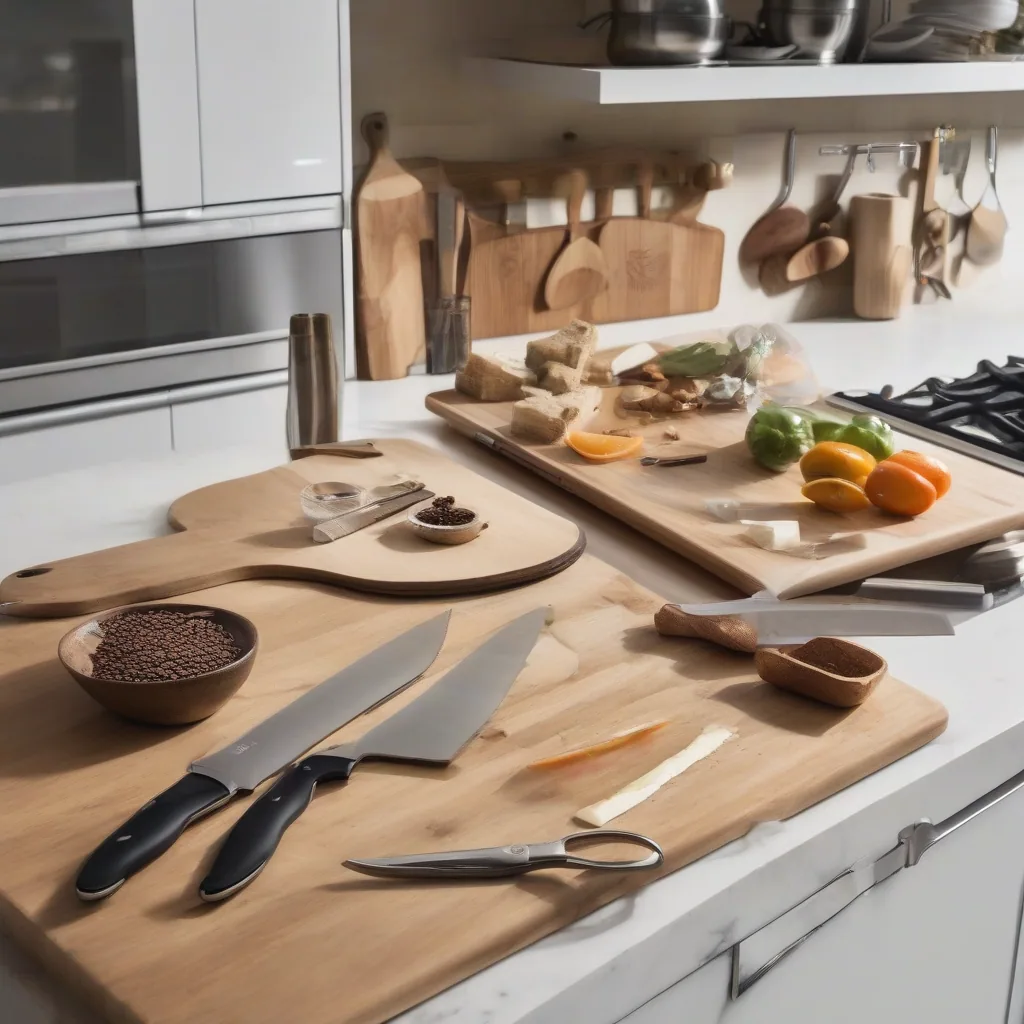
This is the most obvious but most violated constraint. Measure your usable counter space, then be ruthless. Every item you add should have a dedicated “home” that doesn’t impede workflow. In a small kitchen, this means prioritizing vertical storage and multi-purpose pieces. Think of your counter as prime real estate—only the most valuable, daily-use tenants get to stay.
2. Personal Workflow (How You Actually Cook)
Your kitchen habits are unique. A passionate baker needs easy access to a scale and mixing bowls, while a quick-smoothie-every-morning person needs a blender front and center. This is educational, not a diagnosis: audit your last week of kitchen use. What did you reach for constantly? What did you have to dig for? Your practical kitchen organization must serve your routine, not a magazine spread’s idealized version.
3. Cohesive Style (The Intentional Look)
Function doesn’t have to mean sterile. Your style—be it minimalist, farmhouse, or eclectic—acts as a filter. It ensures that the knife block, utensil crock, and canister you choose look like they belong together, creating a calm, intentional space. When your decorative kitchen accessories share a common material or color palette, even essential tools contribute to the aesthetic.
Essential Counter Accessories: The Non-Negotiable Workhorses
These are the items that solve specific, daily problems. They are the backbone of a functional kitchen. When selecting these workhorses, prioritize durability and ease of use—their beauty should be a bonus, not the primary reason for purchase.
| Category | Key Function | Top Material Choices | Style Notes | Ideal For |
|---|---|---|---|---|
| Knife Storage | Safe, accessible blade protection | Wood (acacia, bamboo), Stainless Steel, Magnetic Strips | Blocks offer a contained look; strips are ultra-modern and space-saving. | Small kitchens (magnetic strip), home chefs wanting quick access. |
| Utensil Holder | Corrals daily-use tools (spoons, spatulas) | Ceramic, Stainless Steel, Sealed Wood | Choose a wide base for stability. Can be a statement piece. | Anyone who cooks regularly; keeps tools off the counter surface. |
| Cutting Board Storage | Provides air flow and easy access to boards | Stainless Steel, Wood, Acrylic | Vertical or horizontal slots. Should match the weight of your boards. | Households with multiple board types (meat, veg, serving). |
| Paper Towel Holder | Dispenses towels cleanly and securely | Cast Iron, Powder-Coated Steel, Wood | Wall-mounted frees up counter space. Look for a sturdy tension mechanism. | Families or those who use paper towels frequently. |
| Trivet or Hot Pad Holder | Protects surfaces from heat damage | Silicone, Cork, Metal, Ceramic Tile | Can be decorative. A wall-mounted rack keeps them tidy and ready. | All kitchens; essential for protecting stone or wood countertops. |
Material choice here is critical. Wood brings warmth but requires care to avoid water damage. Metals are durable and easy to clean but can feel cold. Ceramic is beautiful and heavy but can chip. For a deep dive on caring for different materials, resources like Consumer Reports’ care guides offer trustworthy advice. The goal is to select countertop accessories that work seamlessly for years.
From Clutter to Curation: Decorative Items That Earn Their Keep
This is where the magic happens: selecting items that bridge the gap between purely practical and purely ornamental. The rule is simple: if it’s on the counter, it must serve a purpose or spark significant joy (and ideally both). Here’s a practical dos and don’ts guide to curating your space.
DO:
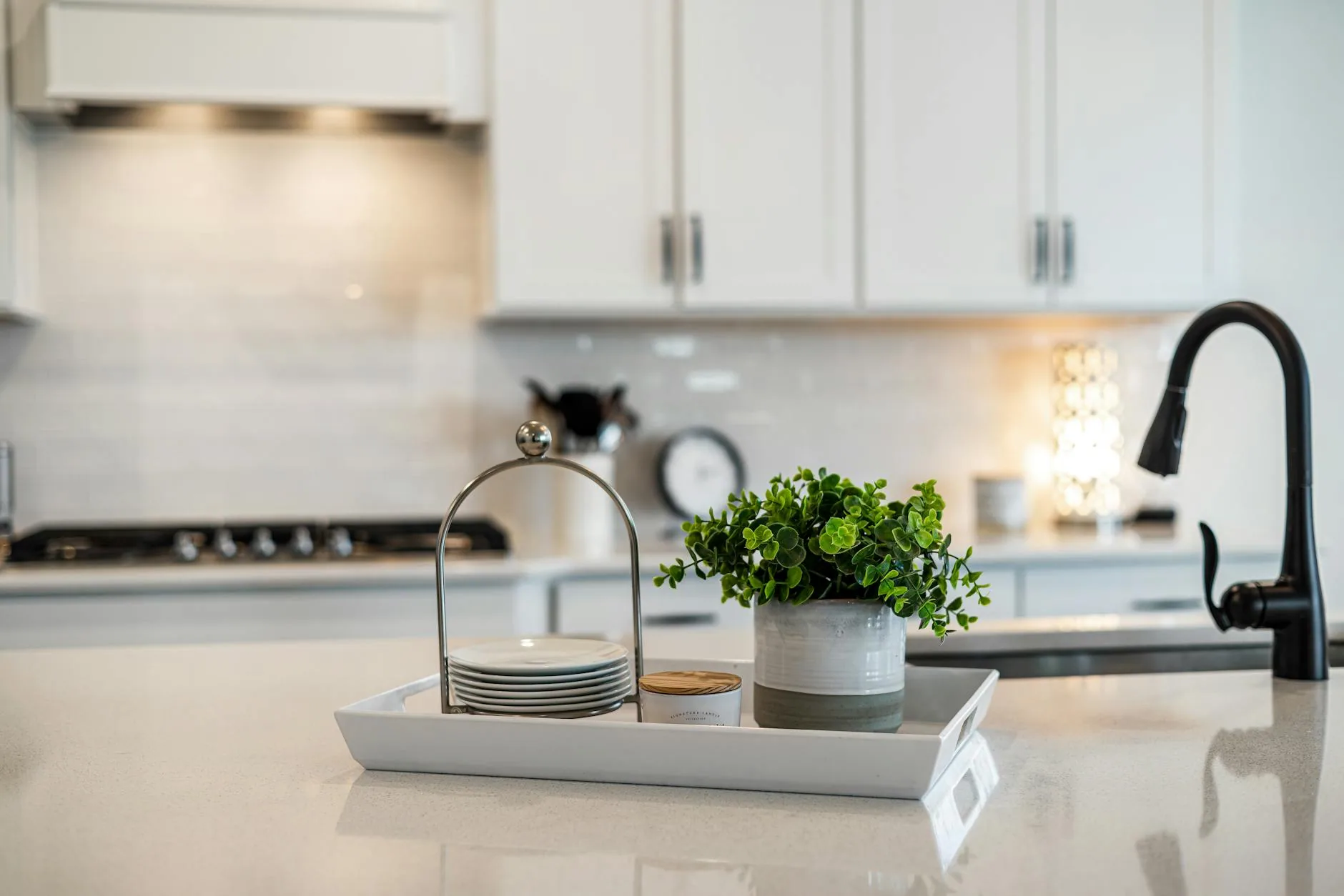
- Use Trays and Boards to Corral: A beautiful tray groups your olive oil, salt cellar, and pepper mill into a single, intentional “prep station.” It instantly reduces visual clutter.
- Opt for Beautiful Canisters for Daily Staples: Store coffee beans, flour, or sugar in ceramic or glass canisters. They keep ingredients fresh and look great, fulfilling a core need with style.
- Incorporate Functional Art: A large, handmade bowl is a sculpture that holds your daily fruit. A vintage bread box keeps bread fresh while adding character.
DON’T:
- Purely Ornamental Figurines: Items that only collect dust and grease splatter have no place on a busy counter. Save them for a protected shelf.
- Delicate Items in the Splash Zone: Avoid anything that can’t withstand a quick wipe-down near the sink or stove.
- Mismatched Scales: A tiny vase next to a massive mixer looks accidental, not curated. Aim for a balanced visual weight.
3 Unexpectedly Functional Decor Pieces
- A Heavy Mortar & Pestle: Beyond grinding spices, its weight makes it a perfect bookend for a small cookbook collection on the counter.
- A Vintage Kitchen Scale: Use it to weigh mail or small packages, adding a touch of nostalgia to your “command center” zone.
- A Stack of Large, Neutral Textured Towels: Folded neatly in a basket, they provide visual texture and are always on hand for drying hands or quick clean-ups.
Material & Style Showdown: Choosing What Works for Your Kitchen
Your initial constraints naturally lead you to certain material families and style approaches. Understanding the pros, cons, and “feel” of each helps you make confident choices that align with your practical kitchen decor ideas.
Material Breakdown:
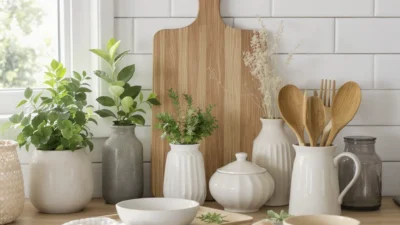
- Wood (Acacia, Bamboo, Teak): Offers warmth and organic texture. Pros: Beautiful, naturally anti-microbial for cutting boards. Cons: Requires oiling, can warp with water. Best for: Utensils, cutting boards, knife blocks in warm, traditional, or farmhouse styles.
- Stone & Concrete: Provides a cool, substantial, and modern feel. Pros: Incredibly durable, heat-resistant, unique. Cons: Very heavy, can stain if not sealed. Best for: Trivets, mortar & pestles, canisters in minimalist or industrial kitchens.
- Metal (Stainless, Iron, Brass): The champion of durability and hygiene. Pros: Easy to clean, very sturdy, modern. Cons: Can show water spots, feels “cold.” Best for: Utensil holders, racks, magnetic strips in industrial, modern, or Scandinavian styles.
- Acrylic & High-Quality Plastic: The lightweight, often colorful option. Pros: Affordable, easy to clean, great for kids. Cons: Can scratch and look cheap if low quality. Best for: Organizational bins, clear canisters in eclectic or colorful, contemporary spaces.
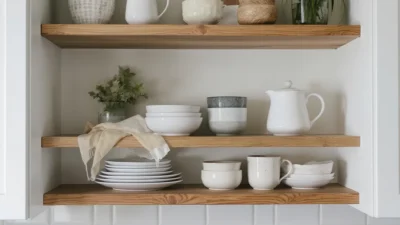
Style Impacts Function: A minimalist style, with its “less is more” ethos, forces you to be brutally selective, often favoring hidden storage. A farmhouse style, with its love of open shelving and visible tools, makes your decorative but practical kitchen tools part of the display. Your style dictates what you see every day, so choose one that makes your necessary items feel like part of the decor.
Your Action Plan: Implementing a Functional System
Knowledge is useless without action. Here is a straightforward, four-step plan to transform your counters from cluttered to curated. This process directly applies the constraints and solutions we’ve discussed.
Step 1: The Great Clear-Out
Remove everything from your counters. Clean the surface. This is your blank canvas. As you remove items, sort them into three piles: Daily Use, Occasional Use, and Rarely/Never Use. Be honest.
Step 2: Zoning Your Counters
Based on your workflow audit, designate zones. Common ones include: Prep Zone (near cutting board & trash), Coffee/Tea Station, and a Command Zone (for keys, mail, charging). Assign a specific area for each activity. This is the core of kitchen countertop organization ideas that last.
Step 3: Selecting & Placing Key Pieces
Only bring back items from the “Daily Use” pile. For each, ask: Does it have a dedicated home in one of my zones? Does it fit my style filter? Place your essential workhorses (from the table) first, then add curated decorative pieces like a fruit bowl or tray.
Step 4: The One-Month Review
Live with the new system for a month. Notice what works and what doesn’t. Did you find yourself constantly moving the knife block? That’s a sign to adjust. A functional system is flexible and evolves with you.
Start Where You Are, Use What You Have
The journey to a kitchen that is both beautiful and brilliantly functional doesn’t require a full remodel or a massive shopping spree. It begins with a single, intentional choice. Tonight, pick just one constraint to address. Clear off your coffee zone, or finally find a home for that wandering utensil crock. That small win creates momentum.
Remember, the best stylish yet functional kitchen items are the ones that make your daily life easier while bringing you a moment of pleasure. Once your counters are under control, the next logical step is often to look at adjacent spaces—like organizing a chaotic pantry or streamlining your kitchen drawers—to create a fully cohesive and efficient cooking environment.
Creating a kitchen that works as good as it looks is a matter of strategy, not just shopping. The core philosophy is that true functional decor respects three key constraints: your available space, your personal cooking workflow, and your desired aesthetic style. By first defining these limits, you can then select essential counter accessories—like durable knife storage and utensil holders—that act as workhorses. The final layer involves curating decorative pieces, like trays and canisters, that must serve a purpose or bring significant joy. Ultimately, success comes from implementing a simple system: clear out, zone your space, place items with intention, and review regularly. This approach ensures every item on your counter contributes to both efficiency and beauty.