You’re standing in the kitchen store, caught in a classic design dilemma. In one hand, you hold a stunning ceramic bowl—a sculptural masterpiece that would add instant personality to your counter. In the other, you grip a supremely practical, utterly bland utensil crock. This moment captures the core tension of kitchen styling: the push and pull between decorative vs functional kitchen accessories. It’s a battle between beauty and utility, and your countertops are the battlefield. The good news is, you don’t have to choose one over the other. By understanding the intent behind each item and applying a few smart principles, you can create a space that feels both curated and completely usable, blending practical countertop decor with pieces that simply spark joy.
The best way to choose between decorative and functional kitchen accessories is to first assess your daily workflow and storage needs. Decorative items like artful canisters or sculptural pieces should be used sparingly in low-traffic zones to add personality without impeding function. Prioritize functional accessories like knife blocks and utensil holders in your primary prep areas, and blend the two by selecting beautiful versions of practical tools.
The Core Difference: Intent Shapes Your Space
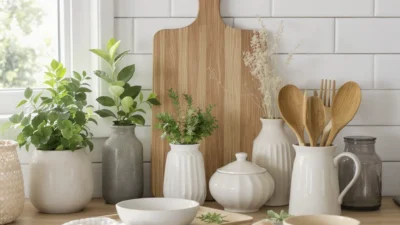
To navigate the world of kitchen countertop accessories effectively, you first need to understand the fundamental intent behind each item. This isn’t about good versus bad, but about purpose. A decorative accessory has a primary purpose of aesthetic enhancement. Think of a sculptural vase, a stack of beautiful coffee table books, or an artful ceramic bowl that holds nothing. Its job is to add personality, color, texture, or a focal point. It serves an emotional and visual need, making your kitchen feel curated and complete.
In contrast, a functional accessory has a primary purpose of task support. Its design is driven by utility. A knife block, a utensil crock, a paper towel holder, or a cutting board are all classic examples. They exist to make cooking, cleaning, and organizing more efficient. Their contribution is to the kitchen’s workflow ecosystem.
This difference in intent dictates everything: where you place the item, how often you interact with it, and what value it adds. Recognizing this is the first step to making intentional choices that balance your space. For a deeper dive into organizing your kitchen by task, resources on kitchen workflow zones can provide a useful foundation.
When to Lean Decorative: The Rules of Visual Impact
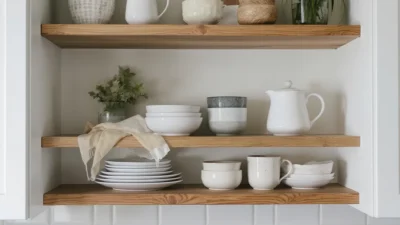
Decorative pieces are your styling tools. They shine in specific scenarios where the goal is visual impact, not meal prep. Use them to define a style anchor—a single, striking piece like a large, rustic dough bowl can instantly telegraph a “farmhouse” aesthetic. They are perfect for filling ‘dead zones,’ such as the corner of an L-shaped counter or the far end of an island that isn’t used for cooking.
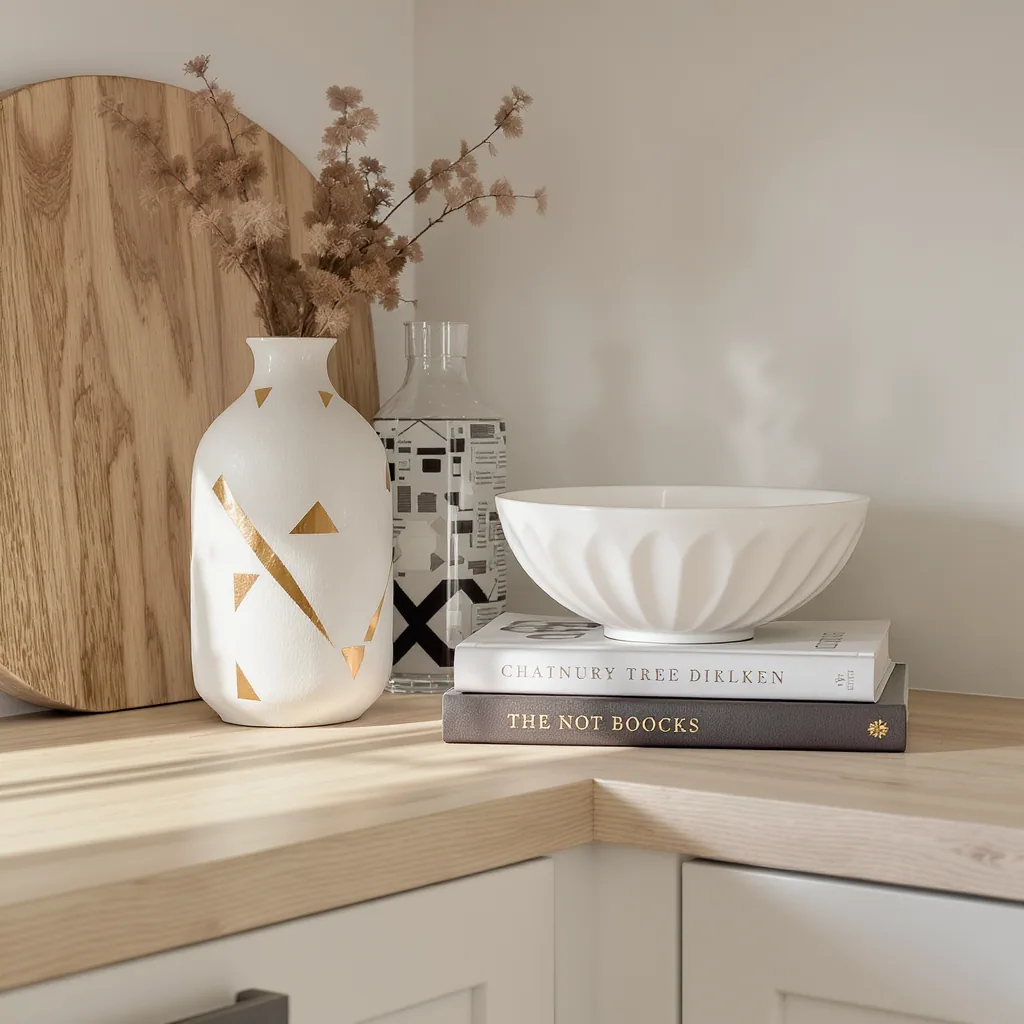
This approach is also ideal for creating a focal point away from functional clutter, like a curated shelf above the counter. The key rule is to place decorative items in low-traffic areas. If you’re constantly moving a piece to wipe the counter or use the appliance behind it, it’s in the wrong spot.
Guiding Principles for Decor
When implementing these kitchen counter accessories ideas, remember the “science” of visual weight and negative space. One large, beautiful object often has more impact than three small knick-knacks. Allow for breathing room around decorative items so they can be appreciated, not lost in a crowd. This approach helps avoid the common pitfall of over-cluttering surfaces with pretty but purposeless items.
When Function Must Come First: The Non-Negotiables
In certain zones, prioritizing utility isn’t a choice—it’s a necessity for a kitchen that works. Function must dominate your primary prep triangle (the space between sink, stove, and refrigerator). This is where you need your most-used practical kitchen accessories within arm’s reach.
High-Priority Functional Zones
Areas immediately next to major appliances are also non-negotiable functional zones. The spot next to the stove needs a utensil holder and perhaps a trivet. The area by the sink calls for a soap dispenser and dish brush. For daily-use items like coffee makers or toasters, the accessories that support them (like a nearby spoon rest or a crumb-catching tray) should be chosen for utility first.
The best practical countertop decor solves a specific, recurring problem. A vertical spice rack frees up prime prep space. A mounted paper towel holder keeps rolls off the counter. A sleek, lidded compost bin makes sustainable habits convenient. In these zones, material choice follows function: opt for easy-clean, durable surfaces like stainless steel, sealed wood, or ceramic that can withstand daily mess and moisture.
The Smart Blend: Choosing Accessories That Do Both
The magic happens when you find items that are both beautiful and useful. This is the core of answering the “when to use which” question. Start by auditing your counters. What’s there? Categorize each item by its primary intent (decorative or functional).
Next, mentally map your counters into ‘Prime Real Estate’ (your main prep zones) and ‘Display Zones’ (corners, ends, low-traffic areas). In Prime Real Estate, every item should earn its spot through daily utility, even if it’s also attractive. In Display Zones, you have permission to prioritize beauty, though a dual-purpose item is a bonus.
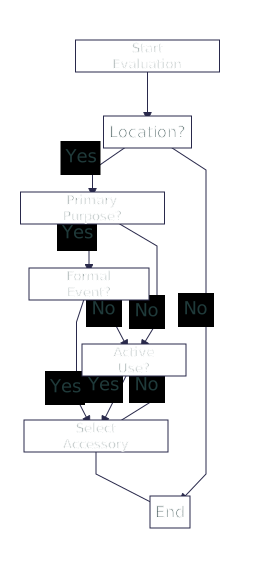
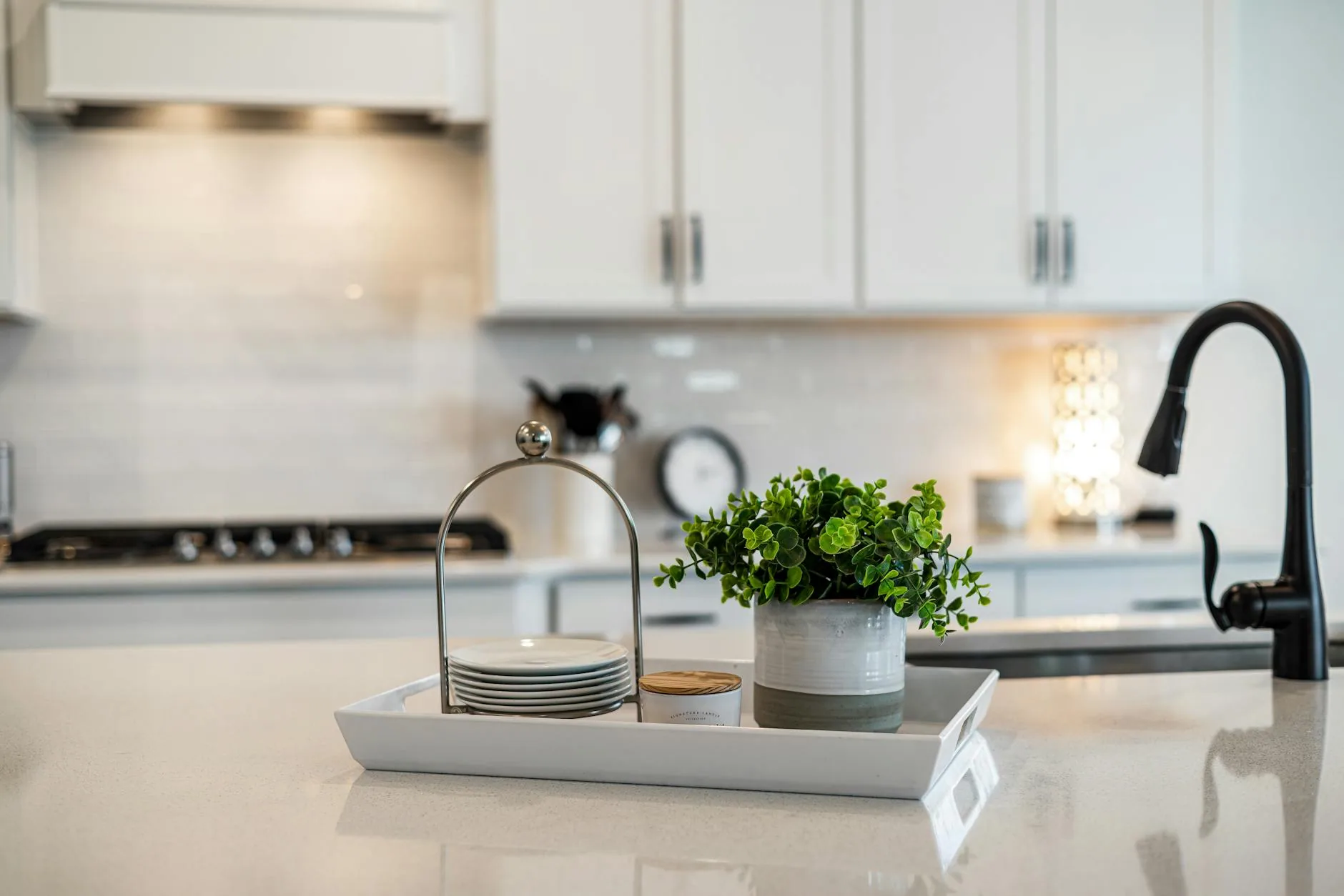
Actively seek hybrid items. This could be a stunning hand-thrown ceramic utensil crock, a minimalist knife block that looks like sculpture, or a set of colorful canisters that actually keep your flour and sugar fresh. Finally, apply a simple “one in, one out” rule. Introducing a new decorative piece? Consider removing an old one to maintain visual balance and prevent surface creep. This framework turns the choice from stressful to strategic.
Crafting Your Intentional Kitchen
The goal isn’t to create a purely functional laboratory or a purely decorative showroom. It’s to build an intentional kitchen that reflects how you live. The trade-off is straightforward: every item on your counter takes up physical and visual space. The reward for being selective is a kitchen that feels both personally expressive and effortlessly usable.
Start small. Look at your counters right now and touch one item. Ask yourself, “What is this here for?” Is it solving a problem or feeding your soul? Your honest answer is the perfect guide for what stays, what goes, and what you might seek out next.