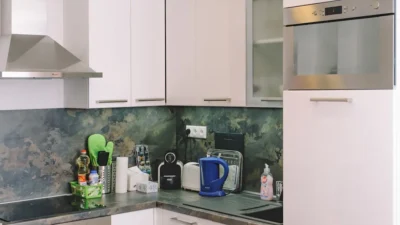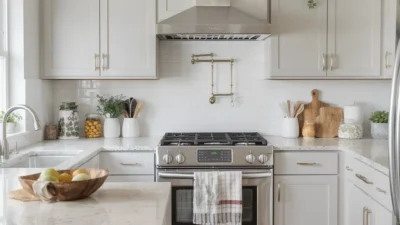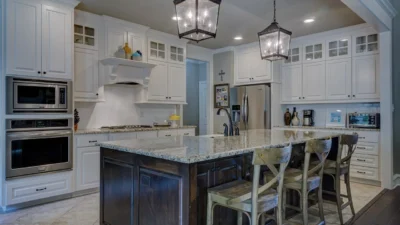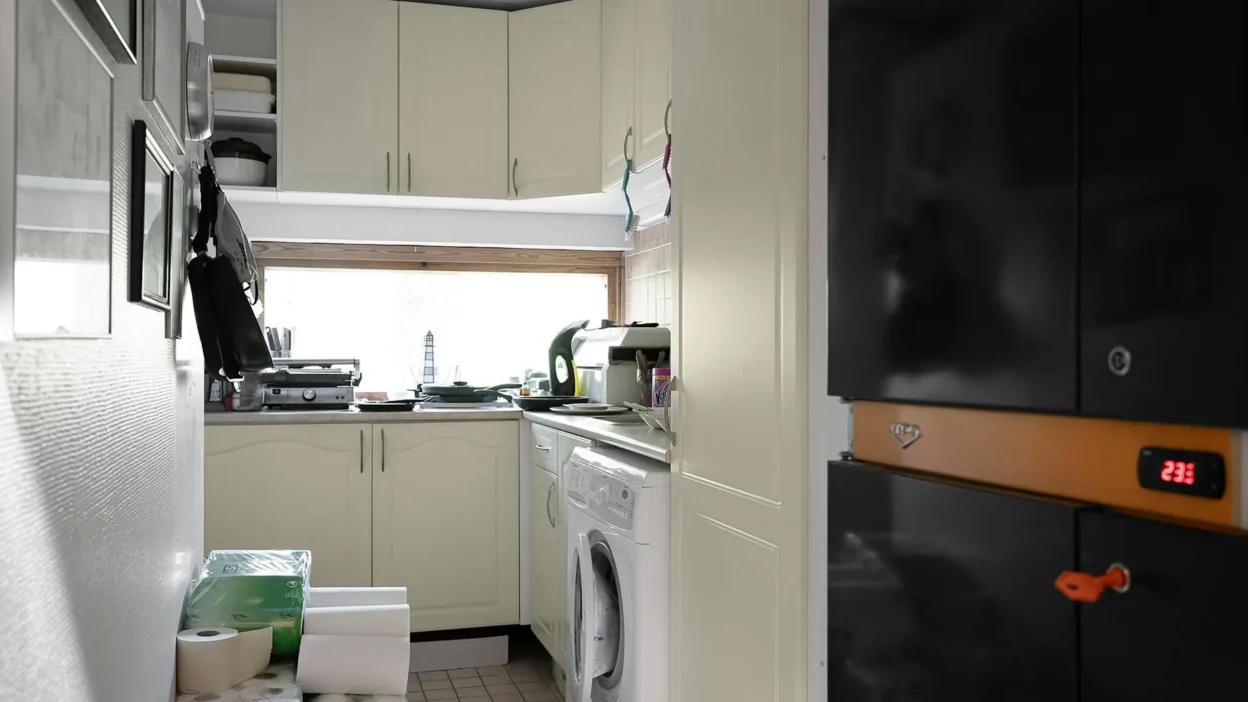
You stand in your kitchen, maybe waiting for the kettle to boil, and your eyes sweep across the scene. The cabinets feel heavy and dark, the hardware is dated, and the whole space just doesn’t spark joy—but the thought of a full-scale renovation is financially out of the question. That feeling of being stuck between a desire for change and a limited budget is exactly where a smart small budget kitchen refresh begins. The secret isn’t about scraping together every penny for a half-measure of everything; it’s about making intentional choices between two distinct spending philosophies. This guide will help you navigate the core decision: should you prioritize ‘Fresh’ spending for immediate cosmetic impact or ‘Set-In’ spending for lasting functional value? By understanding this trade-off, you can allocate your funds strategically to create a kitchen that feels renewed, without the financial hangover.
Here’s how to approach a small budget kitchen refresh: start by deciding your priority between ‘Fresh’ spending (cosmetic updates like paint, hardware, and decor for instant gratification) and ‘Set-In’ spending (investing in one or two functional upgrades like lighting or a faucet for lasting value). The best way is to audit your space, set a strict budget, and allocate funds based on your timeline and which improvements will give you the most joy and utility per dollar.
The Two Paths: Understanding Fresh vs Set-In Spending
When planning a kitchen refresh on a small budget, your money can go in two fundamentally different directions. The most effective strategy is to pick one as your primary focus, rather than scattering funds. Let’s define the two paths.
Fresh Spending is all about surface-level, reversible changes that deliver immediate visual gratification. Think of it as a cosmetic facelift. The goal is to make the space feel new and updated without altering its permanent structure. This path is perfect if your main gripe is with the look—the colors, the finishes, the style—and you want a quick win.
Set-In Spending, on the other hand, focuses on functional, semi-permanent upgrades that improve daily use and add longer-term value. This is about investing in one or two key items that you interact with every day. It’s the right choice if a specific frustration (like a terrible faucet or awful lighting) outweighs your desire for a purely visual change.
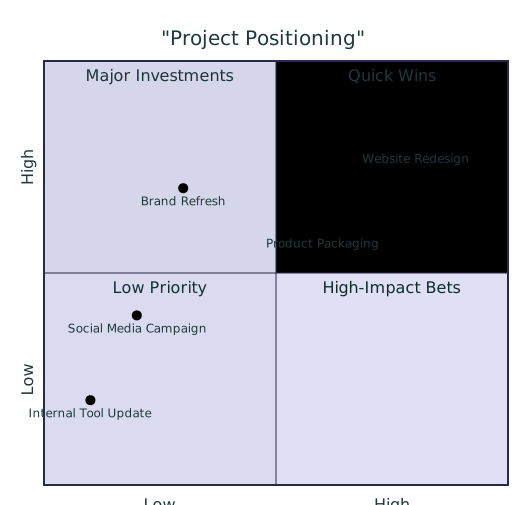
To make this comparison concrete, here’s a breakdown of typical projects in each category, their average cost, and who they’re best for.
| Project Type | Fresh Spending Examples | Set-In Spending Examples | Avg. Cost Range | Best For… |
|---|---|---|---|---|
| Surfaces | Painting cabinets/walls, peel-and-stick backsplash | Replacing a small section of countertop (e.g., by sink) | $50 – $300 | Renters, quick style shifts |
| Hardware | New cabinet knobs & pulls | Soft-close hinge upgrades, drawer pull-out systems | $30 – $200 | Instant modernizer, organization seekers |
| Lighting | Plug-in pendant lights, new lamp shades | Hardwired under-cabinet lighting, new ceiling fixture | $40 – $250 | Ambiance, task lighting improvement |
| Sink/Faucet | New faucet (if DIY-friendly) | Professional faucet & sink replacement | $100 – $600 | Daily usability & long-term value |
| Storage | Open shelving, countertop organizers | Custom cabinet inserts, lazy Susans | $20 – $400 | Decluttering, maximizing existing space |
Audit Your Kitchen: The Essential First Step
Before you spend a dime, you need to conduct a simple, honest audit of your space. This 10-minute exercise is the single best way to ensure your kitchen refresh on a tight budget hits the mark and your money isn’t wasted on the wrong priorities.
Grab a notepad and answer these questions:
- What do you see first when you walk in? Is it the dated cabinet color, the cluttered counter, or the awful fluorescent light? This points to a “Fresh” need.
- What fixture or feature frustrates you every single day? Is it the sink that’s too small, the faucet with low water pressure, or the drawer that always sticks? This screams “Set-In” opportunity.
- What do you actually use most? Your counters for prep? Your sink for cleanup? Your lighting for evening meals? Invest in improving that high-use area first.
- What’s your true, total budget? Be specific and stick to it. Knowing this number will force you to choose between, say, painting all the cabinets or installing one great new light fixture.
Your answers will create a clear picture. If your list is mostly visual annoyances, lean into Fresh spending. If it’s dominated by functional headaches, a Set-In investment will give you more satisfaction per dollar.
Fresh Spending: High-Impact, Low-Cost Transformations
If your audit revealed a hunger for a new look, this is your path. Fresh spending delivers the most visual bang for your buck and is often DIY-friendly. Here are the top budget decor priorities to consider, listed in rough order of impact.
Paint is Your Superpower
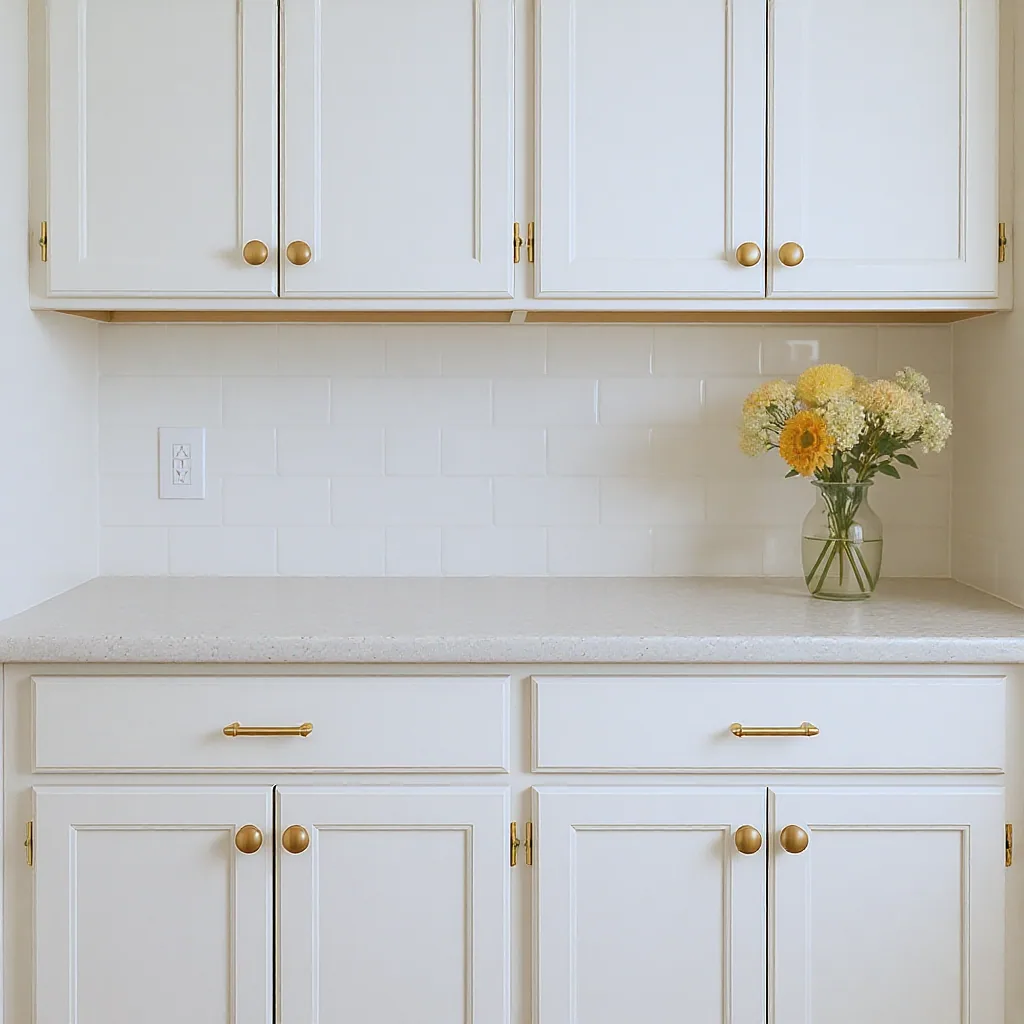
A fresh coat of paint on walls or cabinets is the ultimate affordable kitchen update. Painting just your lower cabinets or an accent wall can completely redefine the space. Cost: $50-$150 for supplies. Skill level: Moderate (prep is key!). For a great guide, see this step-by-step cabinet painting tutorial.
Update Hardware & Fixtures
Swapping out dated cabinet knobs and drawer pulls for modern ones is like giving your kitchen new jewelry. Don’t forget switch plates and outlet covers. Cost: $2-$10 per piece. Skill level: Easy.
Apply a Temporary Backsplash
Peel-and-stick tile or even a painted backsplash can add color and texture without the mess of mortar. It’s a renter-friendly game-changer. Cost: $30-$100. Skill level: Easy to Moderate.
Revamp Lighting & Window Treatments
Replace an old fixture, add plug-in under-cabinet LED strips, or hang a simple, stylish curtain. Lighting changes the mood instantly. Cost: $40-$150. Skill level: Easy to Moderate.
Style with Strategic Decor
Finally, add a runner rug, a new dish towel, a ceramic canister, or a piece of art. These are the finishing touches that make the space feel personal and complete. This is where your budget decor priorities shine.
Set-In Spending: Strategic Investments for Lasting Value
If your audit highlighted daily frustrations, this path is for you. The philosophy here is “choose one and do it well.” A single, well-executed Set-In upgrade can improve your quality of life for years, making it a truly cost-effective kitchen refresh in the long run.
Upgrade Your Faucet (& Maybe Sink)
You touch your faucet dozens of times a day. A new one with a pull-down sprayer and better finish isn’t just prettier—it makes washing dishes and filling pots easier. If your budget allows, pairing it with a deeper, single-bowl sink can be transformative. Cost: $150-$600+. Skill level: Moderate (plumbing involved). Research is key; check out a faucet buying guide to find the right fit.
Install Permanent Lighting Solutions
While plug-in lights are Fresh, hardwired under-cabinet lighting or a new central ceiling fixture provides superior, permanent task lighting. It’s an investment in both safety and ambiance. Cost: $200-$500+ (with professional installation). Skill level: Advanced/Professional.
Improve Cabinet Organization
Instead of just painting dated cabinets, invest in their functionality. Adding pull-out shelves, a base cabinet trash can pull-out, or door-mounted racks maximizes every inch. This solves clutter problems at their source. Cost: $100-$400 per unit. Skill level: Moderate.
Consider a Focal Point Countertop
If your entire countertop is out of budget, consider replacing just the section around the sink or on a prominent island with a beautiful, durable material like quartz. This creates a high-end focal point without the full cost. Cost: $300-$800. Skill level: Professional.
Your Kitchen, Your Rules
A limited budget doesn’t mean limited results. By understanding the Fresh vs. Set-In framework and conducting a simple audit, you’ve already done the hardest part: thinking strategically. Whether you choose the instant joy of a painted cabinet or the daily satisfaction of a perfect new faucet, your decision will be intentional and your money well spent.
Remember, these paths aren’t mutually exclusive. If your budget allows, you might tackle one Set-In priority (like lighting) and one Fresh priority (like hardware). The goal is progress, not perfection. Celebrate the change you create, because even a single, thoughtful upgrade can reignite your love for the heart of your home.