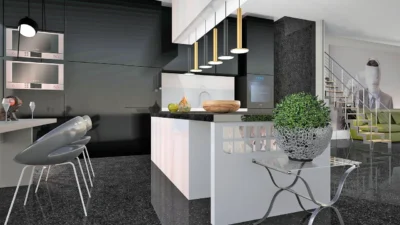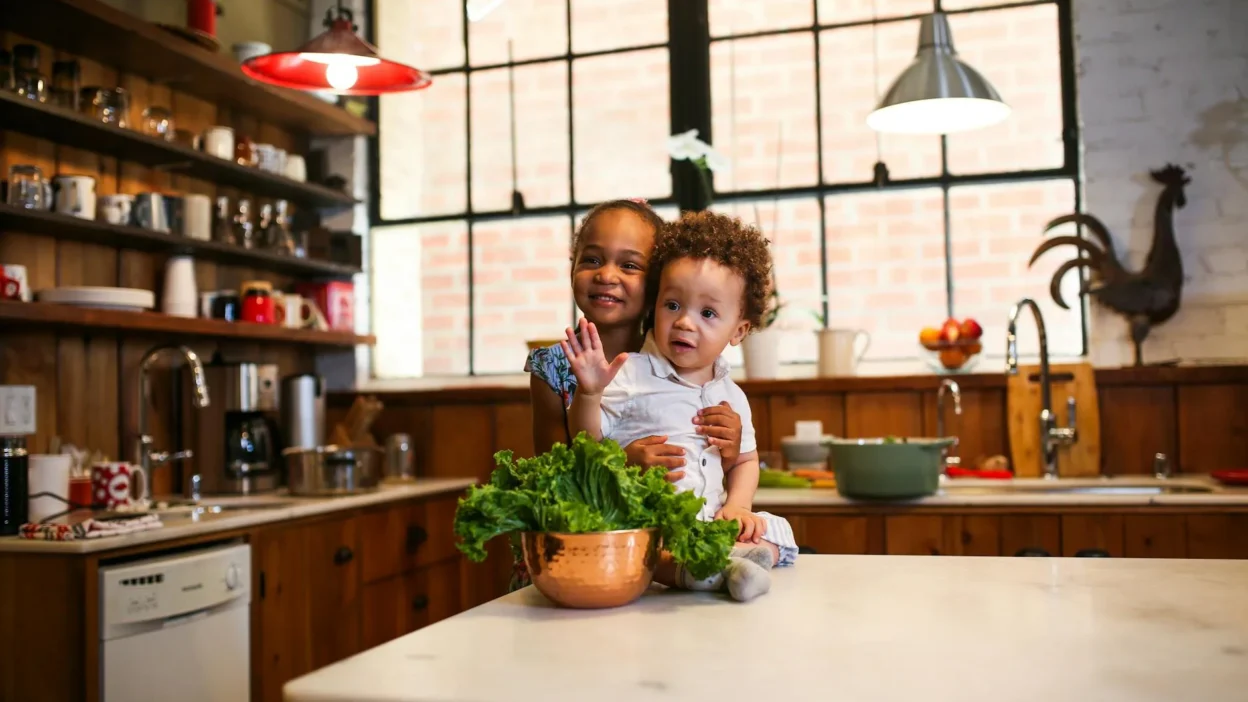
We design our kitchens for maximum efficiency, with gleaming countertops, durable flooring, and easy-clean surfaces. But in our quest for a space that works like a well-oiled machine, we often end up with a room that feels more like a sterile laboratory than the heart of the home. The true best way to add warmth to a kitchen isn’t found in a new appliance or a coat of paint—though those help—but in softening those hard edges, both literally and figuratively. The most impactful and reversible tool for this transformation is the strategic use of textiles and soft decor. By layering in fabrics, you introduce the texture, color, and lived-in comfort that turns a purely functional space into an inviting one, proving that coziness is not about square footage but about thoughtful, tactile details.
The best way to add warmth to a kitchen is to layer textiles strategically, starting with a durable area rug to ground the space, then adding window treatments for softness and light control, and finishing with functional textiles like runners, towels, and cushions that introduce color, pattern, and texture. Focus on natural fibers like cotton, wool, and linen for a lived-in feel.
Your Kitchen Textile Toolkit: Start With These 5 Elements
Transforming a sterile space into a welcoming one doesn’t require a sledgehammer. The most effective approach is to build a simple toolkit of cozy kitchen decor textiles. Think of these as the layers you add to a room to make it feel lived-in and comfortable. By focusing on these five key elements, you can systematically introduce texture, color, and softness.
1. The Area Rug: Your Foundation Layer
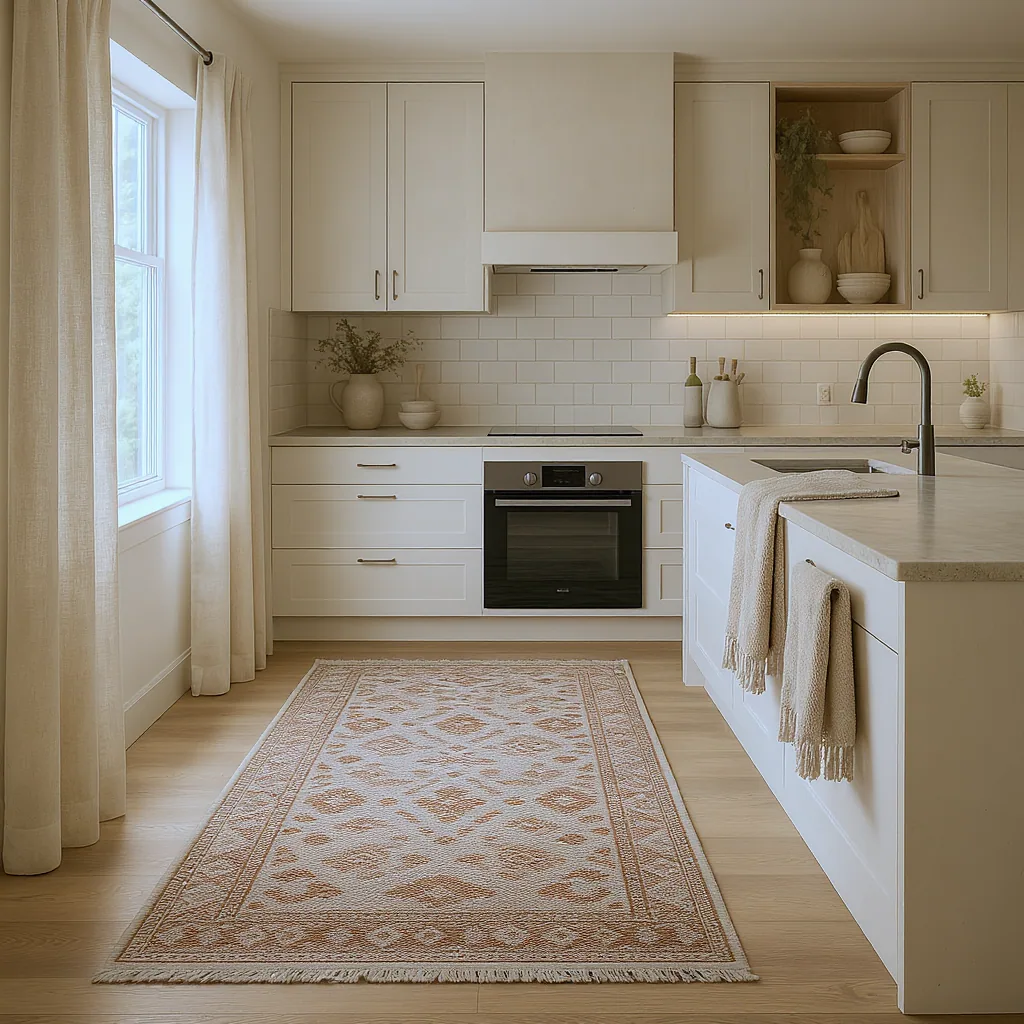
An area rug is the single biggest textile you can add. It instantly grounds the space, defines a zone (like in front of the sink or island), and provides a soft surface underfoot. For kitchens, choose durable, low-pile, and washable options like flat-weave cotton, indoor-outdoor polypropylene, or thin wool. This is your anchor for adding warmth with kitchen decor.
2. Window Treatments: Soften the Light & Lines
Bare windows and blinds can feel stark. Adding fabric at the windows is a powerful way to soften a modern kitchen. Simple linen or cotton curtains, Roman shades, or even a valance break up hard lines and diffuse light beautifully. They add vertical softness that balances all the horizontal surfaces.
3. The Runner: A Dash of Pattern and Purpose
A runner is a long, narrow rug perfect for high-traffic paths or along the length of an island. It’s a fantastic tool for textile layering in the kitchen. You can place it over a larger area rug for a collected look or use it alone to add a stripe of color and pattern without overwhelming the floor.
4. Functional Towels: Your Daily Dose of Texture
Don’t underestimate the power of your hand and dish towels. Swapping out thin, utilitarian towels for plush waffle-weave, textured linen, or patterned cotton versions introduces cozy kitchen soft furnishings you interact with daily. Hang them neatly on hooks or the oven handle to add visual interest.
5. Cushions & Pads: The Finishing Touch
If you have a breakfast nook, bar stools, or a built-in bench, cushions and seat pads are non-negotiable. They make seating inviting and add a plush element. Even a single cushion on a window seat or a pad on a hard stool contributes significantly to the overall feeling of comfort.
The Cozy Layering Routine: How to Combine Textiles Without Clutter
Now that you have the pieces, how do you put them together without creating a messy, overwhelming look? The secret is intentional layering, not piling. Follow this simple, practical routine to combine your kitchen textiles for warmth cohesively.
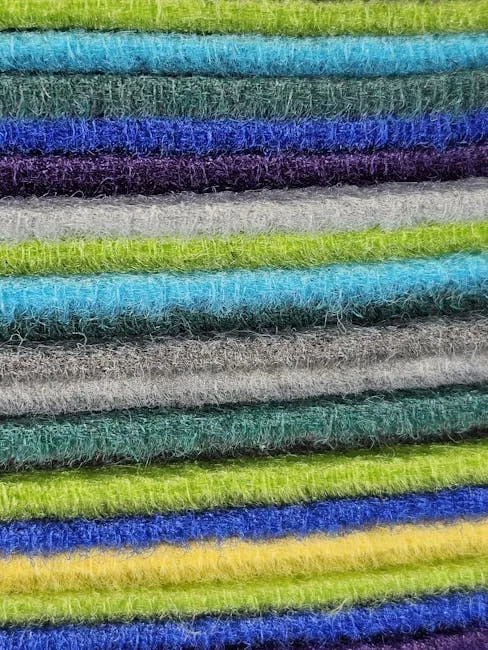
Photo by Ann H on Pexels
Start by choosing your anchor piece. This is typically the largest textile—your area rug or your window treatments. Let this element set the tone for color and style. If you choose a neutral, textured jute rug, it becomes a quiet foundation. If you opt for patterned curtains, they can be the room’s focal point.
Next, add a secondary layer that complements but doesn’t compete. If your anchor is a rug, your secondary layer could be a runner in a coordinating color or a set of richly textured towels that pick up a hue from the rug. If your anchor is bold curtains, keep the rug simple and let the towels echo a subtle color from the fabric. This stage is about building harmony, not matchy-matchy perfection.
Finally, introduce your accents. This is where seat cushions, a decorative folded throw over a chair, or a single statement tea towel comes in. These small touches add personality and a final layer of soft decor for kitchen coziness. The goal is to create a look that feels collected over time, not decorated in one trip to the store. Remember, you can always start with just one layer—a great rug and some new towels—and build from there as your confidence grows.
Material Matters: Choosing Fabrics That Feel Warm and Last
The feel of a fabric is just as important as its look. The right materials bring innate warmth and character, while the wrong ones can feel cold or impractical in a busy kitchen. When selecting your warm kitchen textiles, prioritize natural fibers and performance blends that balance aesthetics with easy care.
Do: Embrace natural fibers like cotton, linen, and wool. Cotton is versatile, affordable, and machine-washable—perfect for towels, curtains, and flat-weave rugs. Linen offers a beautiful, relaxed texture that softens with each wash, ideal for curtains and runners. Wool provides incredible warmth and durability for area rugs, though it may require professional cleaning.
Don’t: Use high-pile shag rugs or delicate silks in the cooking zone. They trap crumbs and spills and are difficult to clean. Also, avoid 100% jute or sisal directly in front of the sink, as constant moisture can damage them.
Do: Consider performance fabrics for high-spill areas. Many modern indoor-outdoor rugs made from polypropylene are incredibly stain-resistant, easy to clean with a hose, and come in designs that rival natural fibers. For upholstery on kitchen nook benches, Crypton or similar performance fabrics are a smart choice for families.
Don’t: Forget about maintenance. Always check care labels. The best cozy kitchen soft furnishings are ones you can actually live with. Machine-washable covers, rug pads that prevent slipping and add cushion, and towels that can go in the dryer will keep your cozy kitchen looking and feeling good for years.
Color and Pattern: The Secret Weapons for Instant Warmth
Beyond texture, the visual temperature of your color palette is a game-changer. Cool greys and bright whites can feel clinical, while warm tones and thoughtful patterns create an instant sense of invitation. Use these visual tools strategically to enhance your kitchen rug and curtain ideas.
Do: Lean into warm, earthy tones. Colors like terracotta, ochre, cream, sage green, and warm taupe naturally feel cozy and welcoming. You don’t need to paint your cabinets; introduce these colors through your rug, a runner, or a set of dish towels. Even a small amount has a big impact.
Don’t: Be afraid of pattern in a modern space. A small-scale geometric on a runner, a subtle stripe on a Roman shade, or a folk-inspired print on cushions can add incredible depth and personality. Pattern breaks up monotony and makes a space feel curated and lived-in.
Do: Use color to create cohesion. Pull a color from your existing kitchen—the undertone of your countertop, a hue from your backsplash tile, or the color of your cabinet hardware—and repeat it in your textiles. This ties everything together and makes the new elements feel intentional, not random.
Don’t: Overdo it. If you’re using a bold, patterned rug, consider more solid or subtly textured curtains and towels. Conversely, if your curtains are the statement, keep the rug simpler. The goal is a balanced, layered look where the eye has a place to rest. This careful use of color and pattern is often the final, most effective step to soften a modern kitchen and make it truly feel like home.
Your Kitchen, Softened
Remember, creating a warm kitchen is a process, not a perfect overnight project. It’s about gradually introducing elements that speak to you and make the space feel more inviting. The beautiful thing about using textiles is their inherent flexibility—you can change a rug, swap out towels with the seasons, or add a cushion on a whim.
Start with just one element that calls to you. Maybe it’s a durable, washable rug that finally gives you a soft spot to stand while washing dishes. Perhaps it’s replacing those tired towels with a set in a color that makes you smile. That single change is the first step in a transformation that prioritizes comfort and personal style over sterile perfection.
Your kitchen is the heart of your home. By thoughtfully layering in softness, texture, and warmth, you’re not just decorating—you’re crafting a space that truly nurtures and welcomes everyone who gathers there.