You’re standing in your kitchen, staring at those solid but dated cabinets. The wood is fine—maybe oak or maple—but the finish feels tired, trapped in another decade. You know a refresh is in order, but you’re torn between two powerful visions: the clean, transformative sweep of a painted finish or the warm, character-rich glow of restored wood. This isn’t just a cosmetic tweak; it’s a choice between two distinct design philosophies for your kitchen. One path offers a complete visual overhaul, while the other celebrates and enhances what you already have. Let’s break down the painted cabinets vs wood finish kitchen dilemma, so you can move from uncertainty to a decision that fits your space, style, and sanity.
The best way to choose between painted cabinets and an original wood finish is to evaluate your cabinets’ condition, your desired kitchen style, and your budget. Paint offers a complete transformation and modern uniformity, ideal for dated or mismatched cabinets. Preserving or staining the wood finish highlights natural character and warmth, perfect for quality wood in good condition. Your lifestyle and long-term vision for the space are the ultimate guides.
The Core Philosophy: Transformation vs. Preservation
Before you pick up a brush or a sander, it helps to frame this choice as two distinct design philosophies. This isn’t just about color versus wood; it’s about your ultimate goal for the space.
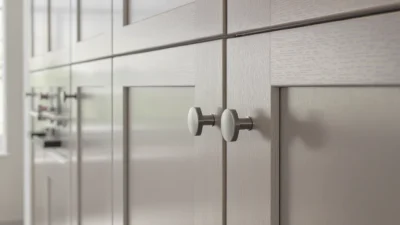
Choosing painted cabinets
Choosing to preserve or enhance the original wood finish is a path of preservation. This approach celebrates the inherent character of the material—the grain, the warmth, the natural variations. It’s about enhancing what’s already there, often leading to a timeless, organic, or traditionally warm feel. Your decision in this cabinet paint vs stain look debate fundamentally starts here: are you aiming for a total makeover or a respectful refresh?
When to Choose the Painted Path
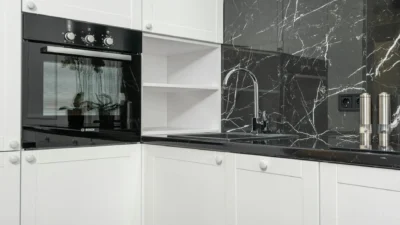
Painting is your most powerful tool for a dramatic kitchen cabinet refresh. It’s the right call in several clear scenarios where the goal is visual overhaul.
Your Cabinets Are Dated, Laminated, or Mismatched
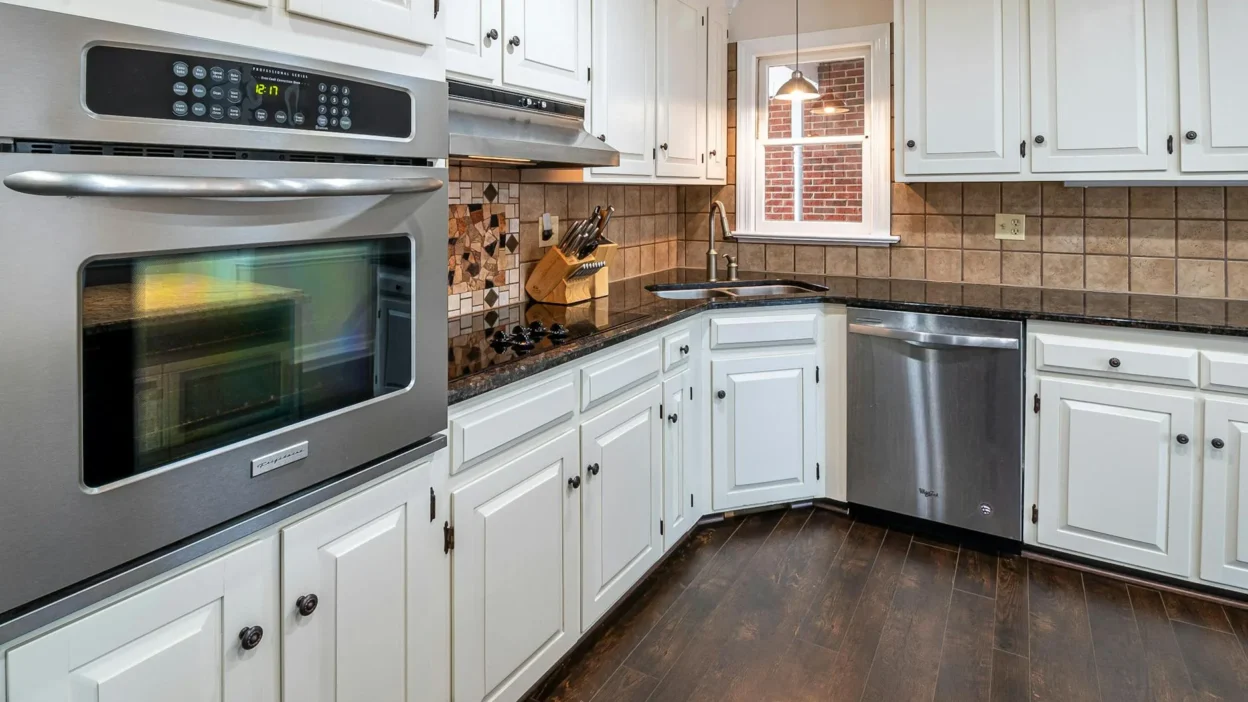
If you have 90s oak that feels dark and heavy, cheap laminate surfaces, or a mix of wood types from a previous renovation, paint is a savior. It creates a seamless, uniform appearance, effectively erasing the past and giving you a clean slate.
Your Design Goal is Modern, Bright, or Colorful
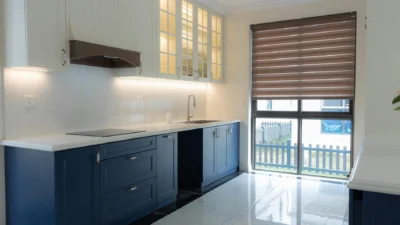
The clean, crisp look of white, gray, or navy cabinets defines many contemporary kitchens. Paint provides the opaque, consistent color needed for this style. If your heart is set on a specific hue—from sage green to classic black—painting is the only way to get there.
You Need to Hide Imperfections
While paint won’t fix major structural issues, a properly applied primer and paint can minimize the appearance of minor dings, scratches, or unattractive wood grain patterns. It’s a forgiving option for cabinets that are structurally sound but visually tired.
The Commitment: Success with painted kitchen cabinets hinges on meticulous prep work—cleaning, sanding, priming—and using a durable, kitchen-grade paint. It’s a labor-intensive process, but the transformative payoff is huge.
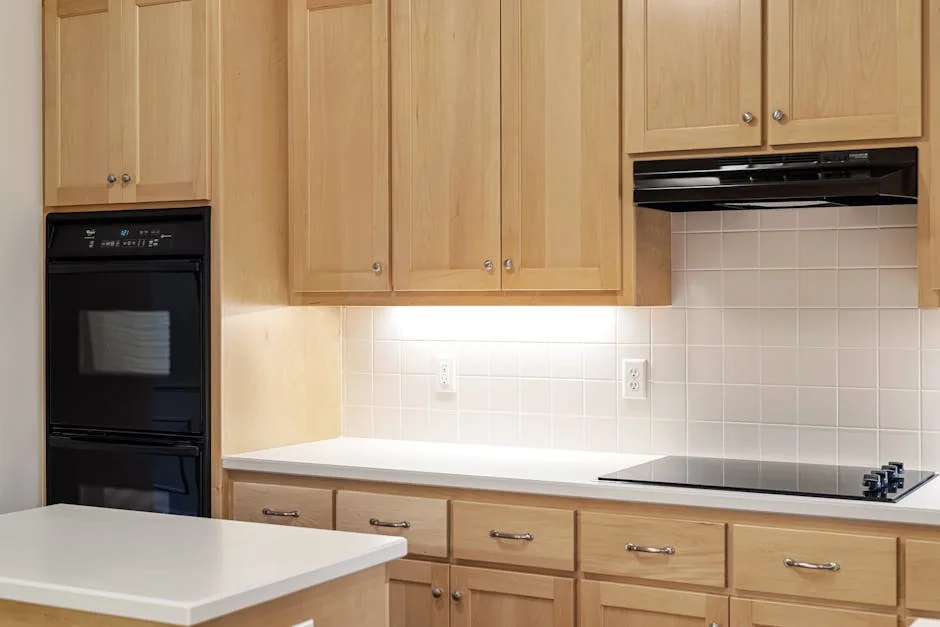
Photo by Curtis Adams on Pexels
| Consideration | Painted Cabinets | Original Wood Finish |
|---|---|---|
| Aesthetic Outcome | Uniform, modern, customizable color. Hides the wood grain. | Warm, natural, highlights wood grain and character. |
| Best For Cabinet Type | Dated wood, laminate, veneer, or mismatched sets. | Solid wood in good condition with attractive grain. |
| Cost & Labor | Moderate cost, but labor-intensive due to crucial prep work (cleaning, sanding, priming). | Can be lower cost if just cleaning & re-sealing; cost rises with sanding and re-staining. |
| Durability & Maintenance | Durable with proper paint, but chips and scratches can be more noticeable and require touch-ups. | Generally durable; scratches can often be blended in. May require periodic re-oiling or sealing. |
| Resale Consideration | Broad, neutral appeal (e.g., white) is safe. Bold colors may polarize. | High-quality wood finishes often appeal to buyers seeking craftsmanship and warmth. |
When to Embrace the Original Wood Finish
If your cabinets have “good bones,” painting over them can sometimes feel like a shame. Preserving or enhancing the wood is a celebration of material and craftsmanship, and it’s often a smarter, simpler path.
Your Cabinets Are Solid Wood in Good Condition
This is the most important factor. If you have quality maple, cherry, oak, or walnut cabinets that are structurally sound, their inherent value and beauty are worth highlighting. A wood cabinet finish in good shape is an asset.
You Love Warm, Traditional, or Rustic Styles
The natural grain and warmth of wood are foundational to farmhouse, traditional, and rustic kitchen aesthetics. A honey-toned stain or a clear sealant enhances this cozy, inviting feel in a way paint cannot replicate.
You Want a Lower-Commitment Refresh
If the existing finish is just dull or dirty, you might not need a full strip-and-stain job. Often, a deep clean with a product like a wood-safe cleaner, followed by a light sanding and a new coat of protective sealant or refreshing gel stain, can work wonders with far less labor than painting.
The Process: Embracing the original finish can range from simple cleaning and re-sealing to more involved sanding and re-staining. The key is to assess the existing finish; if it’s just worn, you can often revitalize it. If it’s damaged or you hate the color, sanding it down for a new stain is your path among kitchen cabinet finish choices.
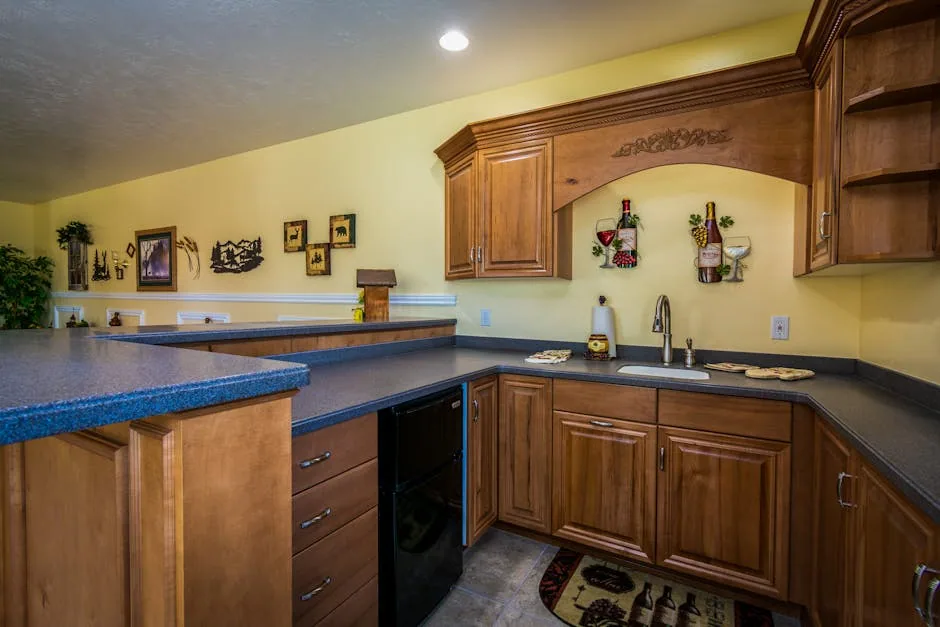
Photo by Get Lost Mike on Pexels
Your Decision Checklist: 5 Key Questions
Move from theory to your specific kitchen. Answer these questions honestly to find your clear path forward.
- What’s the true condition of my cabinets? Are they solid wood? Is the current finish just dirty, or is it peeling and damaged? Your answer here often dictates the most practical route.
- What is my dominant kitchen style goal? Are you clipping images of all-white modern kitchens or cozy, wood-accented spaces? Your style aspiration is a huge clue.
- What’s my realistic budget for prep and execution? Remember, a professional-looking paint job requires significant prep. Refinishing wood can be DIY-friendly if the finish is intact.
- How much maintenance am I willing to handle long-term? Painted cabinets may need touch-ups on chips. Oiled wood finishes require periodic reapplication. Which fits your lifestyle?
- Am I planning to sell my home soon? While personal enjoyment comes first, if selling is on the horizon, consider which update aligns with broader market appeal in your area.
Your answers will naturally cluster around one of the two philosophies, making your cabinet finish decision feel more confident and less like a guess.
Trust Your Kitchen’s Instincts
The debate between painted cabinets vs wood finish doesn’t have a universal winner—it has the right choice for your home. You now have the framework to make it.
Your very next step isn’t to buy supplies. It’s to investigate. Open every cabinet door, feel the surface, and look at them in the morning and evening light. Then, gather physical samples: get paint chips in your considered colors and wood stain swatches. Tape them to your cabinets and live with them for a few days. The right path will announce itself not just to your eyes, but to your gut feeling about the heart of your home.