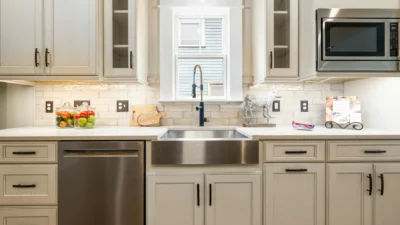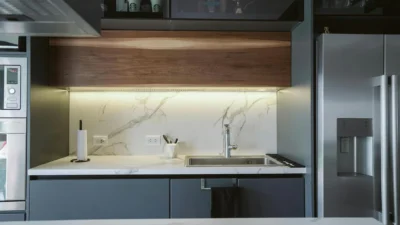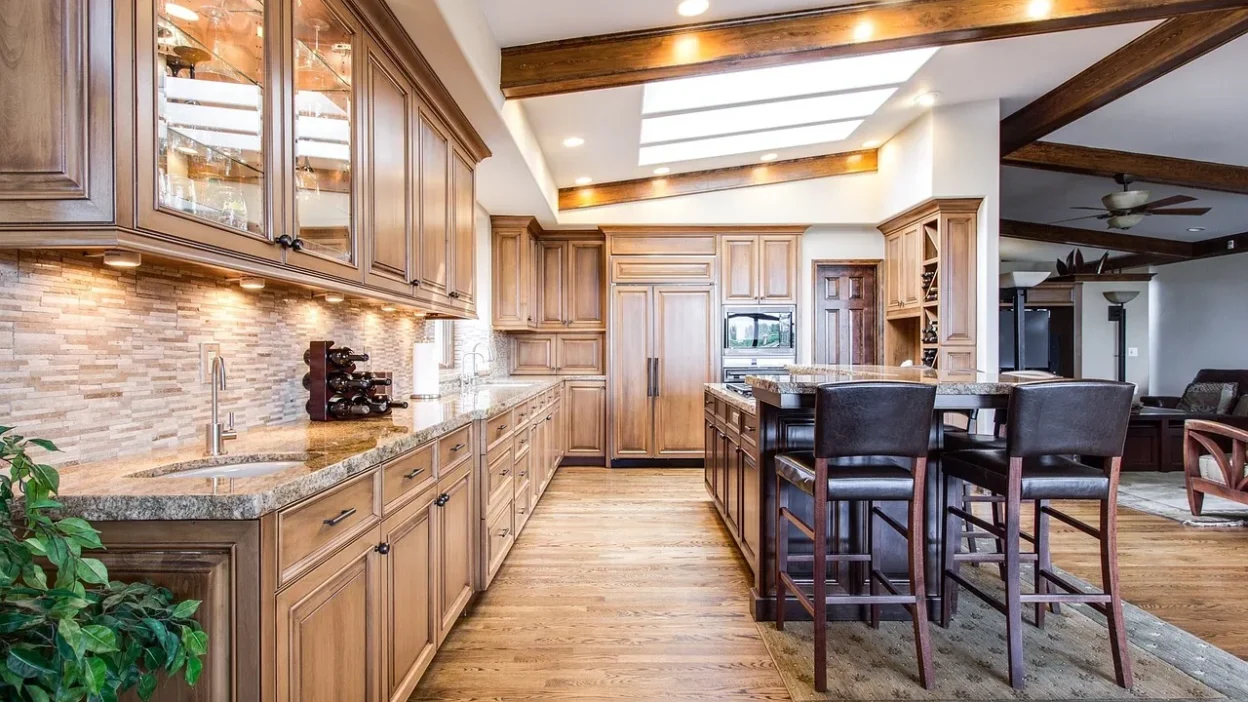
You’ve saved hundreds of inspiring kitchen photos, yet when it’s time to make decisions, you’re paralyzed. The sleek modern cabinets you love feel at odds with the farmhouse sink you pinned, and neither seems to fit the actual footprint of your room. This common dilemma—a Pinterest board full of beautiful but disconnected ideas—often leads to a kitchen that feels visually chaotic rather than cohesively yours. The solution isn’t more inspiration; it’s a clear, actionable kitchen style vision and theme choices process. This guide cuts through the noise by advocating a constraint-first approach: before you fall in love with an aesthetic, you must understand the fixed realities of your space, lifestyle, and budget. By starting with what you must work with, you can then confidently explore and filter the vast world of design to create a kitchen that is both personally inspiring and perfectly functional.
How do you define your kitchen style vision? Start by assessing your space’s fixed constraints—layout, size, and architecture—before exploring aesthetics. Gather inspiration, identify recurring themes, and then filter those choices through your practical needs, budget, and lifestyle. This constraint-first approach ensures your chosen kitchen style vision and theme choices are beautiful, functional, and uniquely yours.
Start with Reality: The Non-Negotiable Constraints

Photo by Ksenia Chernaya on Pexels
Before a single paint swab is considered, your kitchen design planning must begin with a clear-eyed assessment of what you cannot—or should not—change. These fixed elements are the bedrock upon which your entire vision is built. Ignoring them is the fastest route to a beautiful but dysfunctional space. kitchen design planning must begin
Your Kitchen’s Fixed Architecture
Look at the bones of the room. Is it a classic galley, an L-shape, or an open-plan great room? The fundamental layout dictates traffic flow and the “work triangle” efficiency. Next, note permanent architectural features: load-bearing walls, ceiling height, window and door placements, and any awkward columns or soffits. A modern minimalist theme might clash with a room full of ornate, original crown molding, for instance. Your goal is to work with these features, not against them.
Size, Scale, and Existing Fixtures
The physical proportions of your kitchen impose hard limits. A sprawling, commercial-style range can overwhelm a petite space, while delicate, detailed cabinetry might get lost in a vast, high-ceilinged room. Also, honestly assess which major elements are staying. If you’re keeping your existing appliances or flooring, their color, finish, and style become key parameters that your new theme must harmonize with.
- Layout: Galley, L-shaped, U-shaped, Peninsula, Island. This dictates appliance placement and workflow.
- Architectural Features: Ceiling height, window banks, doorways, structural columns.
- Fixed Elements: Flooring you’re keeping, appliance locations (gas/electrical/plumbing hookups).
- Natural Light: The amount and direction of light will influence color and material choices.
Gathering Inspiration: From Mood Boards to Core Themes
With your constraints mapped, you can now explore aesthetics without the risk of falling for an impossible dream. This phase is about moving from a scattered collection of “I like that” to a coherent kitchen design concept. Platforms like Houzz, Pinterest, and design magazines are invaluable tools, but you must use them strategically.
Curate, Don’t Just Collect
Create a dedicated digital folder or physical mood board and start saving every image that catches your eye. Don’t overthink it at first—just gather. After you have 50-100 images, step back and analyze. Look for patterns, not individual items. Are 80% of your saved images light and airy? Do you consistently gravitate toward warm wood tones or cool, sleek surfaces? Is there a recurring mood—cozy, serene, vibrant, dramatic? These patterns reveal your underlying kitchen aesthetic direction.
Identify Your Core Attractions
Go deeper by asking why you saved an image. Was it the specific shaker cabinet, or the overall feeling of simplicity? Was it the bold backsplash, or the way the room felt energized? This helps you separate fleeting trends from your genuine preferences. This analytical approach transforms a random pile of pictures into a clear shortlist of styles that resonate with you on a fundamental level, forming the heart of your kitchen decor style guide.
Major Kitchen Styles Decoded: A Quick-Reference Guide
Once you’ve identified patterns in your inspiration, it’s helpful to name them. Understanding the defined hallmarks of major styles gives you a vocabulary and a blueprint. This kitchen style guide isn’t about forcing you into a box, but about providing a clear framework you can adapt, blend, or draw from to choose a kitchen style that fits.
| Style Name | Key Materials | Color Palette | Typical Hardware/Fixtures | Overall Vibe | Best For |
|---|---|---|---|---|---|
| Modern | Glass, stainless steel, concrete, lacquered wood. | Monochrome (white, black, gray), bold accent colors. | Flat-panel cabinets, integrated handles, sleek pendant lights. | Sleek, uncluttered, geometric, and precise. | Open-plan homes, minimalists, urban spaces. |
| Farmhouse | Reclaimed wood, shiplap, apron-front sinks, butcher block. | Neutrals (white, cream, gray), soft blues/greens, warm wood tones. | Bin pulls, cross handles, wrought-iron lighting, open shelving. | Warm, inviting, rustic, and lived-in. | Families, traditional homes, those wanting a cozy feel. |
| Transitional | Mixed materials (wood + metal, stone + glass). | Neutral foundation (beige, gray, white) with layered textures. | Simple, streamlined knobs/pulls in brushed nickel or oil-rubbed bronze. | Balanced, timeless, blends classic and contemporary. | Almost any home; offers flexibility and broad appeal. |
| Industrial | Exposed brick, ductwork, concrete, distressed metal. | Neutrals (gray, black, brown), raw material tones. | Pipe-style fixtures, Edison bulbs, wire mesh, utilitarian pulls. | Urban, raw, edgy, and utilitarian. | Lofts, conversions, and those who appreciate an unfinished aesthetic. |
| Scandinavian | Light wood (oak, ash), white paint, ceramic, wool textiles. | White and light grays, pale wood, pastel accents. | Minimal hardware, often hidden; functional, organic-shaped lighting. | Bright, airy, functional, and deeply cozy (hygge). | Smaller spaces, climates with less light, simplicity seekers. |
| Coastal | Weathered wood, rattan, marble, sea glass. | Whites, creams, blues, greens, sandy neutrals. | Rope details, chrome or nickel, glass cabinet inserts. | Relaxed, breezy, light-filled, and serene. | Homes near water or anyone desiring a calm, vacation-like feel. |
The Filtering Process: Aligning Theme with Lifestyle & Budget
You have your shortlist. Now comes the critical kitchen theme selection phase: running each appealing style through a series of practical filters. This is where your personal equation is solved. A style isn’t right if it doesn’t suit how you live.
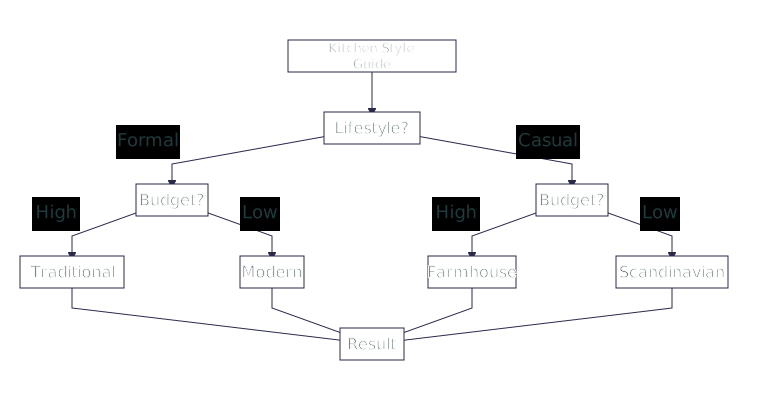
The Lifestyle Litmus Test
Ask yourself pointed questions. Do you have young children or pets? A high-gloss white cabinet theme might cause daily stress. Do you love to cook elaborate meals? A style with minimal counter space and storage won’t function. How much time are you willing to spend on maintenance? Marble countertops and unlacquered brass require more care than quartz and stainless steel. Your kitchen must be a partner to your life, not a museum exhibit.
The Budget & Reality Check
Be honest about your financial parameters. Some styles are inherently more costly to execute authentically. True industrial styling with reclaimed materials can be expensive, while a Scandinavian look can often be achieved more affordably with IKEA hacks and strategic paint. Also, consider your home’s overall architecture and potential resale value. A wildly thematic kitchen that clashes with the rest of your colonial home may limit future buyer appeal. This filtering process ensures your final choice is not just beautiful, but also viable and uniquely yours.
Common Vision & Theme Mistakes (And How to Avoid Them)
Even with a good process, it’s easy to stumble. Being aware of these common pitfalls in kitchen decor choices can save you from regret.
Mistake 1: Chasing a Fleeting Trend Over Timelessness. The consequence is a kitchen that feels dated in just a few years. The better approach is to use trends sparingly, in easily changeable elements like paint color, hardware, or accessories, while investing in timeless foundations for cabinetry and major fixtures.
Mistake 2: Sacrificing Function for Form. Choosing a stunning but impractical material (like a dark, polished countertop that shows every watermark) creates daily frustration. Always prioritize durability and ease of cleaning in high-use areas, selecting materials that align with both your style and your real-life habits.
Mistake 3: Creating a “Showroom” That Lacks Personality. A kitchen that looks like a catalog page can feel sterile. The fix is to layer in personal elements—a collection of pottery on open shelves, unique vintage lighting, or art that brings in color—to inject soul and make the space feel lived-in and yours.
Mistake 4: Ignoring the Home’s Overall Architecture. Plopping a ultra-modern kitchen into a century-old craftsman bungalow creates visual discord. The goal is harmony. Your kitchen style should feel like a natural evolution of your home’s existing character, even if it’s a contemporary interpretation.
Crafting Your Kitchen, On Your Terms
Defining your kitchen’s look is ultimately a personal equation, balancing aspiration with the practicalities of your space, life, and resources. The most successful kitchens aren’t those that slavishly follow a style rulebook, but those born from a clear vision that respects reality. By starting with your constraints, gathering inspiration with purpose, educating yourself on the options, and then rigorously filtering for fit, you move from uncertainty to confidence.
This process ensures that the final theme you land on is not just a passing fancy, but a deeply integrated part of your home. It will be a space that inspires you when you entertain, supports you during the morning rush, and feels effortlessly functional every single day. The trade-off for this disciplined approach is a result that is uniquely, authentically yours—a kitchen that truly works.
The Core Methodology, Recapped: Your path to a cohesive kitchen begins by assessing fixed constraints (layout, size, architecture). Next, gather inspiration to identify your aesthetic patterns, then use a style guide to name and understand your options. Finally, filter those options through the critical lenses of lifestyle, maintenance, and budget. This constraint-first, filter-last approach transforms inspiration overload into an actionable, personalized plan.
Trust this process. It turns the overwhelming task of choosing a kitchen style into a series of manageable, confident decisions, leading you to a space that reflects both your dreams and your daily life.