Scrolling through endless images of perfect kitchens can leave you feeling more paralyzed than inspired. The choice between modern, farmhouse, and minimalist kitchen decor isn’t about finding the “best” style—it’s about finding the one that fits your specific home, your daily life, and your tolerance for visual clutter. This common design dilemma often gets framed as a purely aesthetic preference, but the most successful choice starts with understanding your hard constraints. We’ll cut through the trend noise and give you a practical, constraint-first framework to decide which of these popular aesthetics will actually work for you, not just look good on a screen.
Here’s how to decide between modern, farmhouse, and minimalist kitchen decor: start by evaluating your home’s existing architecture and your tolerance for visual clutter. Modern suits clean lines and open floor plans, farmhouse thrives in traditional layouts with character, and minimalist demands a commitment to extreme editing and hidden storage. Your lifestyle—whether you love to display collections or crave empty counters—is the ultimate filter for choosing the right style.
The Core Identity of Each Style (Beyond the Trends)
Before getting lost in shiplap or handleless cabinets, it’s crucial to understand the philosophical core of each style. This isn’t about which is “in” this season, but about which underlying vibe you’re drawn to. Think of it as the personality of your kitchen.
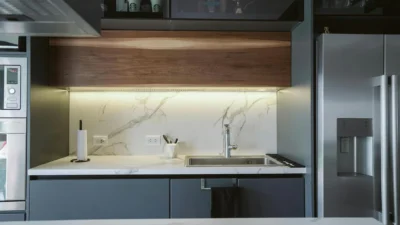
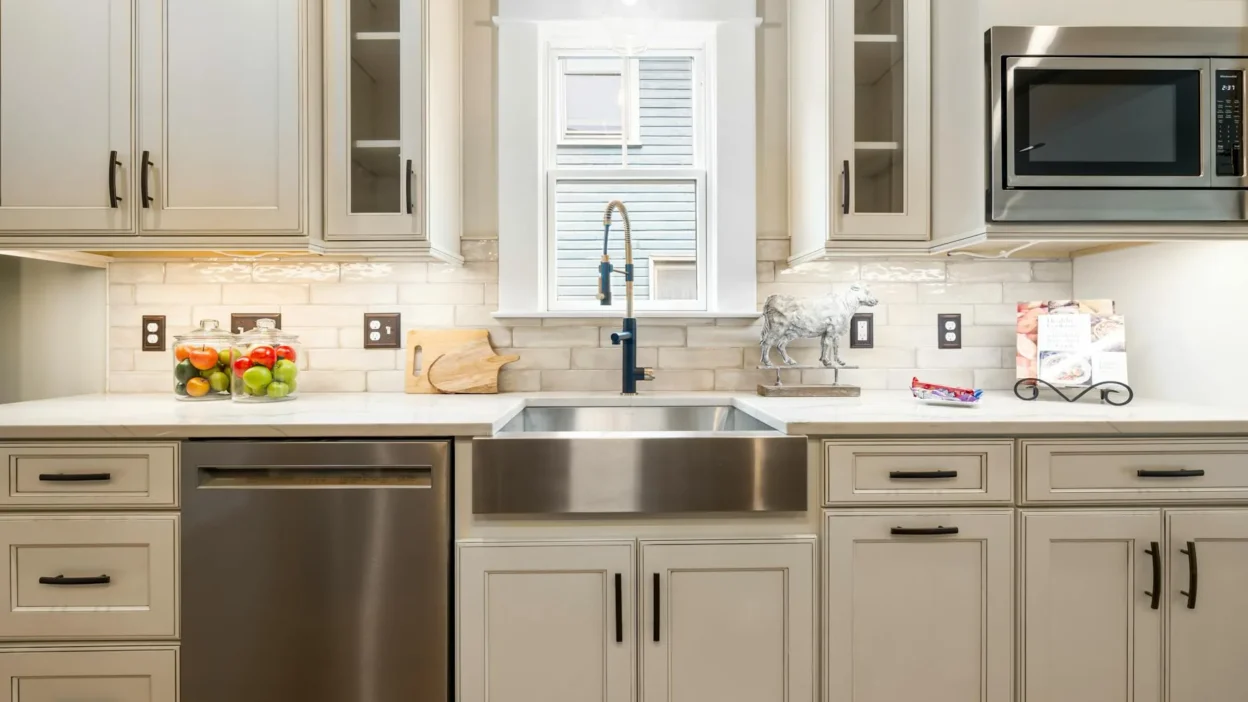
Modern kitchen decor is about curated simplicity. It values sleek, often industrial materials (think stainless steel, concrete, glass), a monochromatic or neutral palette with intentional pops of color, and a sense of visual order. Nothing is accidental. Farmhouse style is fundamentally about warmth, texture, and a sense of history. It embraces natural materials (reclaimed wood, stone, wrought iron), a layered, collected look, and a welcoming, slightly imperfect charm. Minimalist kitchen decor style takes reduction to its extreme. It’s not just “less stuff”; it’s about intentional emptiness, where every single item must justify its presence. Surfaces are clear, storage is completely hidden, and the palette is almost exclusively neutral.
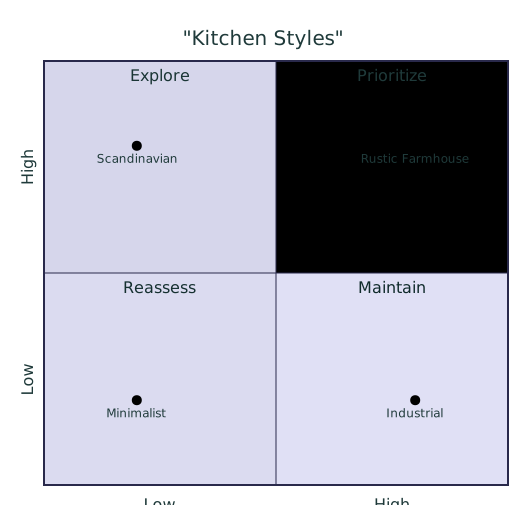
This kitchen style comparison highlights a key tradeoff: the level of visual texture you enjoy versus how flexible the style is with your home’s bones. To make it even clearer, here’s a breakdown of the non-negotiables:
| Dimension | Modern | Farmhouse | Minimalist |
|---|---|---|---|
| Core Vibe | Curated, sleek, intentional | Warm, textured, collected | Radically reduced, serene, empty |
| Key Materials | Stainless steel, glass, concrete, lacquer | Reclaimed wood, ceramic, stone, galvanized metal | Matte finishes, integrated panels, stone, wood (if seamless) |
| Color Palette | Neutral base (white, gray, black) with bold accent colors | Neutrals (cream, beige, sage) with natural wood tones | Strictly monochromatic or tonal (all white, all gray) |
| Countertop Philosophy | Clear except for 1-2 functional/artful items | Can host useful items (utensil crock, fruit bowl) and decor | Must be completely empty, always |
| Best For… | Urban dwellers, clean freaks, fans of art and technology | Families, collectors, those who love a cozy, lived-in feel | Extreme editors, mindfulness seekers, those allergic to visual noise |
Your Home’s Architecture: The First Hard Constraint
Your home’s existing structure is the most honest guide you have. Trying to force a style that fights your architecture will always feel off, no matter how perfect the Pinterest board. This is the “constraints-first” approach in action.
Modern decor looks most native in spaces with clean lines, open floor plans, and large windows. It thrives in lofts, new-build condos, or any home where you can emphasize geometry and flow. High ceilings and simple window casings are a bonus. Farmhouse style has a symbiotic relationship with older, character-filled architecture. It feels right at home in cottages, ranches, or homes with existing beams, nooks, or traditional cabinet footprints. Lower ceilings and smaller windows can actually enhance the cozy factor. The minimalist kitchen decor style is theoretically flexible but is hardest to achieve in cramped, closed-off layouts with poor storage. It demands space (real or perceived) and the ability to hide all functional elements, which often requires specific cabinetry solutions that may not fit in every kitchen footprint.
When doing a kitchen style comparison, ask: Does my kitchen have the bones for this? A modern look in a 1920s bungalow requires major surgery to remove trim and simplify lines. A farmhouse look in a sleek loft might feel like a costume. Minimalism in a kitchen with no pantry and limited wall cabinets is a daily battle.
The Lifestyle Filter: How You Actually Live in Your Kitchen
This is the ultimate filter. A kitchen isn’t a museum; it’s a workshop. The right style supports your daily habits, not the other way around. Be brutally honest with yourself.
Modern demands maintenance. Those sleek, fingerprint-prone surfaces need wiping. The clear counters require you to put appliances away after every use. It suits someone who enjoys the ritual of cleaning and finds calm in visual order. Farmhouse is forgiving. It accommodates—and even celebrates—a bit of clutter. A stack of cookbooks, a bowl of fruit, a collection of wooden spoons in a crock all add to the charm. It’s ideal for busy households, bakers with gear, or anyone who sees the kitchen as a warm, bustling hub. Minimalist is a discipline. It requires a rigorous habit of immediate cleanup and a deep commitment to owning very little. It’s for the person who feels anxiety from visual clutter and finds peace in blank space.
Ask yourself: Are you a displayer or a hider? Do you cook elaborate meals for a crowd, or do you mostly reheat and assemble? Your answers will point you clearly. The debate between modern vs farmhouse kitchen decor often boils down to this: do you prefer a kitchen that feels like a sleek lab or a welcoming hearth? Your lifestyle holds the answer.
Making the Choice: When to Commit to Which
Let’s synthesize the constraints into clear decision scenarios. Use these “if/then” guides as a starting point, not a rigid rulebook.
Commit to Farmhouse if: You live in a home with traditional architecture (older windows, visible beams, a cozy footprint) AND you love collecting unique items, displaying heirlooms, and your kitchen often has a “lived-in” look that you find comforting, not stressful.
Commit to Modern if: You have an open-plan, contemporary space OR you’re willing to renovate to create clean lines. You prefer a curated, almost gallery-like feel, you don’t mind maintaining sleek surfaces, and you want a look that feels sharp and intentional.
Commit to Minimalist if: You feel genuinely soothed by empty surfaces and own very few kitchen gadgets. You are willing to invest in extensive, hidden storage solutions and your daily routine already leans toward putting everything away immediately. You value mental clarity over displayed charm.
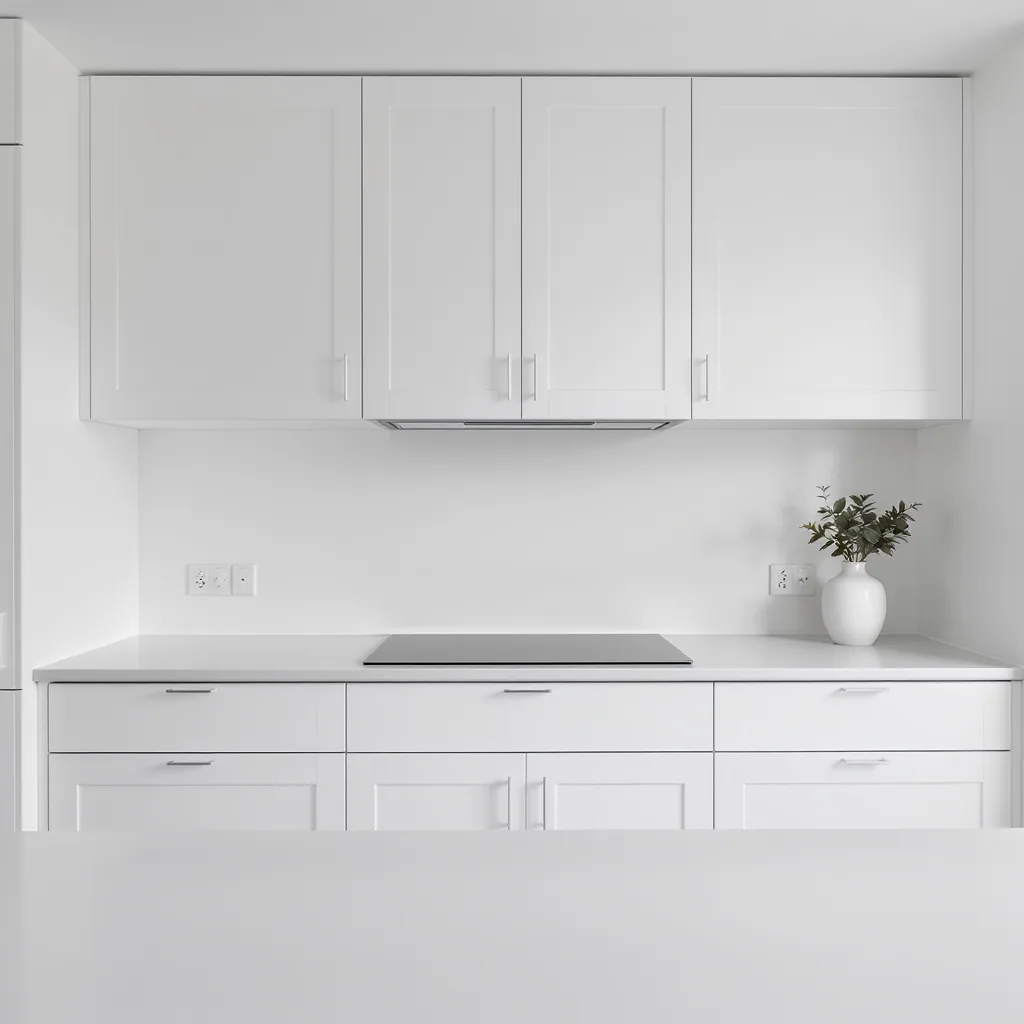
Remember, blending is possible—think “modern farmhouse” which borrows sleek lines from modern and warm wood from farmhouse—but one style should be the anchor to prevent a confusing look. The choice ultimately involves a tradeoff: you gain the benefits of your chosen style’s philosophy, but you accept its inherent constraints. The winning style is the one whose constraints you can live with most happily, day in and day out.
Choosing Your Kitchen’s Personality
The journey through modern vs farmhouse kitchen decor, with minimalist as a stark third option, isn’t about finding the objectively “best” style. It’s a process of self- and home-audit. By first respecting the hard constraint of your architecture, then filtering ruthlessly through the lens of your actual lifestyle, the right choice comes into focus.
Each style offers a different kind of peace: modern offers visual order, farmhouse offers warm familiarity, and minimalist offers spatial serenity. You’re not just picking finishes and fixtures; you’re choosing the daily atmosphere of your home’s busiest room. Trust your real-life habits over a fleeting trend. The perfect kitchen isn’t the one that looks best in a magazine—it’s the one that makes your daily life feel better, more functional, and more authentically you.